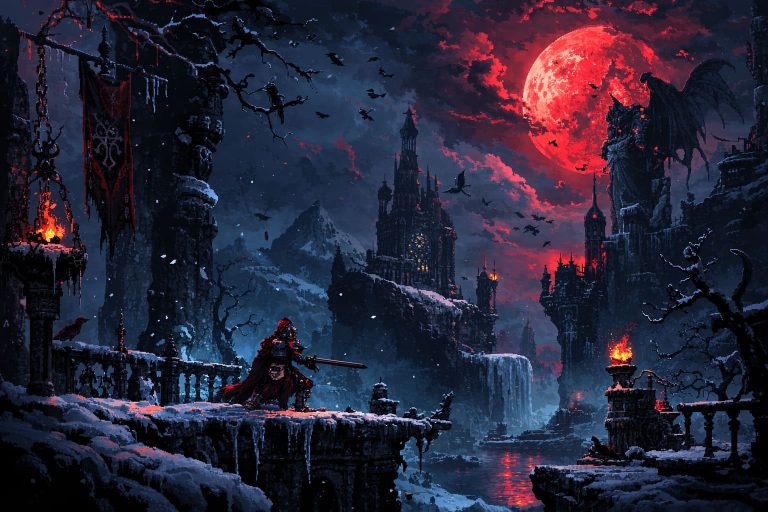
The Relic First Guardian Campaign Length: How Many Hours to Beat?
Action RPG fans have no shortage of new releases these days, but every now and then a game catches my attention for reasons beyond flashy trailers. The Relic: First Guardian is one of those titles. It isn’t trying to be another carbon copy of the biggest Soulslike games on the market. Instead, it looks like a project with its own identity, blending dark fantasy, aggressive combat, and a world inspired by Asian mythology into something that feels genuinely intriguing.
Launching on July 31, 2026, for PC and PlayStation 5, with Xbox Series X/S and Nintendo Switch 2 versions arriving later, the game has already become one of the indie RPGs I’m watching most closely. One question keeps coming up whenever players discuss it online: How many hours does it actually take to beat The Relic: First Guardian? After digging through official information and gameplay previews, here’s what players can realistically expect before stepping into the broken world of Arsiltus.
The Left Behind Day and Night Cycle Survival Guide: 2026 Tips for Mastering the Dark
A Focused Main Story Instead of Artificially Inflated Playtime
One thing I immediately appreciated is that Project Cloud Games doesn’t seem interested in padding its campaign with endless filler. Too many modern RPGs advertise huge playtimes, but a significant chunk of those hours comes from repetitive fetch quests or grinding identical enemies over and over. That doesn’t appear to be the philosophy here.
The main campaign is expected to take around 25 to 30 hours for players who mostly follow the central storyline. Personally, I think that’s a sweet spot for an action RPG. It’s long enough to tell a meaningful story without overstaying its welcome, especially when every new area introduces fresh enemies, bosses, and lore instead of recycled content.
Players step into the role of the Last Guardian, whose mission is to recover the scattered fragments of an ancient relic capable of stopping a devastating force consuming the world. The kingdom of Arsiltus has fallen into ruin, and every step forward uncovers more about its tragic history. Rather than rushing from one checkpoint to another, the game encourages players to absorb its atmosphere and slowly piece together what happened to this once-thriving civilization.

Exploration Can Easily Double Your Playtime
If you’re anything like me, there’s almost no chance you’ll stick to the main path. Whenever I play a Soulslike or action RPG, I end up wandering into every suspicious cave, hidden passage, or mysterious tower I can find. Those detours usually become some of the most memorable moments, and The Relic: First Guardian seems designed with that kind of curiosity in mind.
The biggest reason is the incredible number of bosses. The developers have confirmed more than 70 unique boss encounters, and they aren’t simply tougher versions of normal enemies. Each one reportedly features its own mechanics, attack patterns, arena, and backstory.
That alone dramatically changes the expected playtime. Players who enjoy exploring every region, solving environmental puzzles, collecting hidden relics, and defeating optional bosses should comfortably spend 55 to 65 hours, possibly even longer depending on their skill level.
Activities That Extend Your Adventure
- Tracking down hidden boss encounters
- Collecting powerful relics and equipment
- Exploring optional regions
- Completing side quests
- Finding environmental lore and secrets
Unlike games that rely on repetitive objectives, these activities appear closely connected to world-building, making exploration feel rewarding instead of mandatory.
No Traditional Character Levels Changes Everything
One feature that immediately stood out to me is how progression works. Forget farming enemies for hours to gain experience points. There are no traditional character levels in The Relic: First Guardian.
Instead, your strength comes from what you discover during exploration. Better weapons, rare armor, unique relics, crafting materials, and Relic Energy become the foundation of your build. I honestly prefer this approach.
Grinding has never been my favorite part of RPGs. Spending an hour defeating the same group of enemies just to raise a number isn’t particularly exciting. Here, every improvement is tied to finding something meaningful or defeating a difficult challenge. That creates a much stronger sense of accomplishment.
Character Progression Includes
- Five weapon classes
- Twelve extensive skill trees
- Unique equipment
- Crafting mechanics
- Rune combinations
Experimenting with different builds will naturally add more hours, especially for players who enjoy optimizing their characters before taking on tougher encounters.
Combat Rewards Skill Instead of Resource Management
One gameplay decision has generated plenty of discussion among action RPG fans. Unlike many Soulslike games, basic and heavy attacks don’t consume stamina.
At first, that sounds almost too generous. But after learning more about the system, it actually makes sense. Your stamina is reserved exclusively for defensive actions like dodging, blocking, and parrying.
That completely changes the rhythm of combat. Instead of constantly worrying about whether you have enough stamina to swing your weapon, you’re free to stay aggressive while carefully managing your defensive options.
Of course, enemies are designed around this faster pace. Poor timing during a dodge or missed parry can still get you killed very quickly. Success depends less on resource conservation and far more on reading attack patterns, reacting quickly, and learning each boss’s moveset.
For skilled players, this could shorten the campaign. For everyone else—including me during my first playthrough—it probably means spending extra time mastering difficult encounters before moving forward.
Why Boss Fights Will Probably Define the Experience
Whenever people talk about Soulslike games years after release, they rarely remember ordinary enemies. They remember the bosses.
Everything I’ve seen suggests Project Cloud Games understands that perfectly. Rather than filling the world with dozens of forgettable encounters, each major boss appears designed as its own challenge with distinct mechanics and lore.
That makes exploration far more exciting because you never know what you’ll discover behind the next ruined gate or hidden pathway. Finding an optional boss isn’t simply another checklist objective—it feels like uncovering an entirely new chapter of the world.
If those encounters deliver on their promise, they’ll likely become one of the game’s strongest selling points.

Estimated Playtime Breakdown
| Playstyle | Estimated Time |
|---|---|
| Main Story Only | 25–30 Hours |
| Story + Moderate Exploration | 35–45 Hours |
| Completionist Run | 55–65+ Hours |
These estimates will naturally vary depending on combat skill, exploration habits, and how much time players spend experimenting with different builds.
Early Community Impressions Are Encouraging
It’s always interesting to watch how gaming communities react before launch. Naturally, some players have pointed out that The Relic: First Guardian doesn’t have the enormous production budget or cutting-edge visuals of blockbuster releases from major studios.
Honestly, that doesn’t bother me. Some of my favorite games over the last decade came from smaller teams with clear creative vision rather than unlimited funding.
What has impressed many early preview players is the game’s apparent density. Instead of stretching content across an oversized map, Arsiltus seems packed with meaningful discoveries, hidden paths, memorable boss fights, and environmental storytelling that rewards paying attention. That’s exactly the kind of design I hope more RPGs embrace.
Should You Expect a Short Adventure or a Long-Term RPG?
The answer depends entirely on how you like to play. If you’re the type of player who focuses on the main objective and keeps moving forward, expect roughly 30 hours before the credits roll.
If, however, you’re someone who searches every ruined castle, challenges every optional boss, collects every relic, and experiments with multiple combat builds, you’re looking at well over 60 hours of content.
Personally, I think that’s one of the most appealing aspects of The Relic: First Guardian. It respects both kinds of players. It doesn’t force completionists into repetitive grinding, and it doesn’t punish players who simply want to experience the story. That’s a balance many RPGs struggle to achieve.
From everything shown so far, The Relic: First Guardian looks less like another attempt to imitate the biggest names in the genre and more like an ambitious indie project with confidence in its own ideas. Between its exploration-driven progression, unique combat mechanics, impressive roster of bosses, and focused campaign, it has all the ingredients to become one of the more memorable action RPG releases of 2026.
If the final game delivers on that promise, I can already see myself losing dozens of hours wandering through Arsiltus—not because the game forces me to, but because I’ll genuinely want to see what’s waiting beyond the next ruined fortress or forgotten trail.