The Left Behind Day and Night Cycle Survival Guide: 2026 Tips for Mastering the Dark
The first time I played The Left Behind, I made the same mistake almost everyone does.
I treated the game like every other survival sandbox I’ve played over the last decade. I wandered around collecting whatever looked useful, ignored the clock, and convinced myself I had “just enough time” to loot one more abandoned cabin before heading back.
I didn’t make it home.
That single decision taught me something that dozens of beginner guides never really explained: The Left Behind isn’t balanced around surviving monsters. It’s balanced around surviving time.
After dozens of hours experimenting with different strategies, comparing notes with other players, and testing what actually works instead of what sounds good on paper, I realized the day and night cycle is the mechanic that controls almost everything else in the game.
If you’re struggling to survive beyond the first few days, these are the habits that completely changed the way I play.
Why Time Matters More Than Weapons
Most survival games make nighttime feel like a temporary inconvenience.
Here, it feels like the rules themselves change.
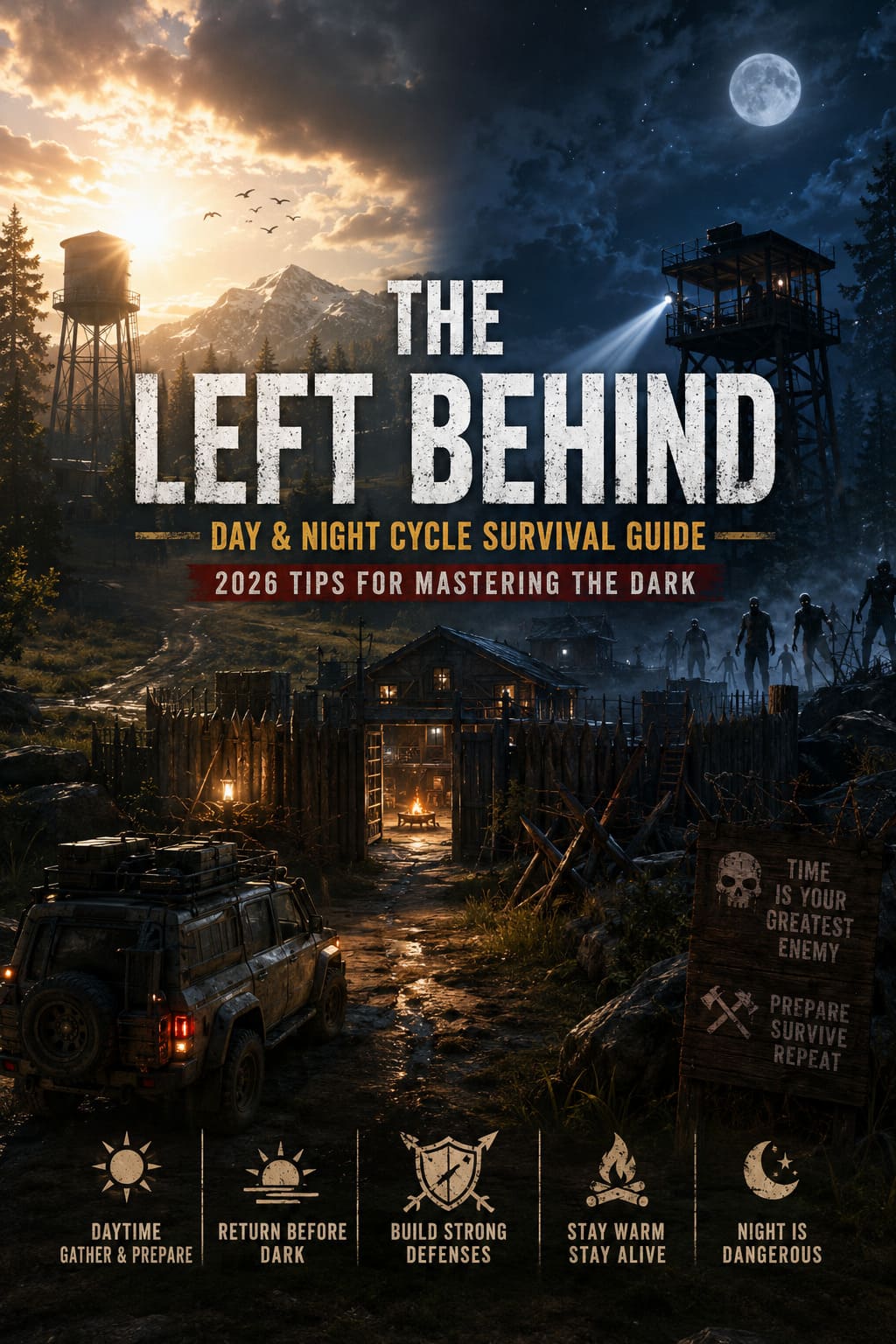
During daylight, the world rewards exploration. Resources are easier to collect, visibility is excellent, and traveling long distances rarely feels dangerous if you’re paying attention.
Once darkness arrives, though, everything becomes slower, louder, and significantly more stressful.
You’re dealing with:
- Limited visibility
- Lower temperatures
- More aggressive enemies
- Reduced stamina during long encounters
- Greater punishment for small mistakes
That’s why I stopped thinking about the game as a 24-hour survival cycle.
Instead, I see it as two completely different games sharing the same map.
| Time Period | Primary Goal | Biggest Risk |
|---|---|---|
| Morning | Planning and preparation | Wasting time |
| Afternoon | Resource farming and exploration | Carrying too much loot |
| Evening | Returning safely | Greed |
| Night | Defense and careful progression | Overconfidence |
Mornings Should Never Be Random
One habit improved my survival rate almost immediately.
I stopped leaving my base without a purpose.
Instead of wandering until my backpack filled up, I started assigning every in-game day a single mission.
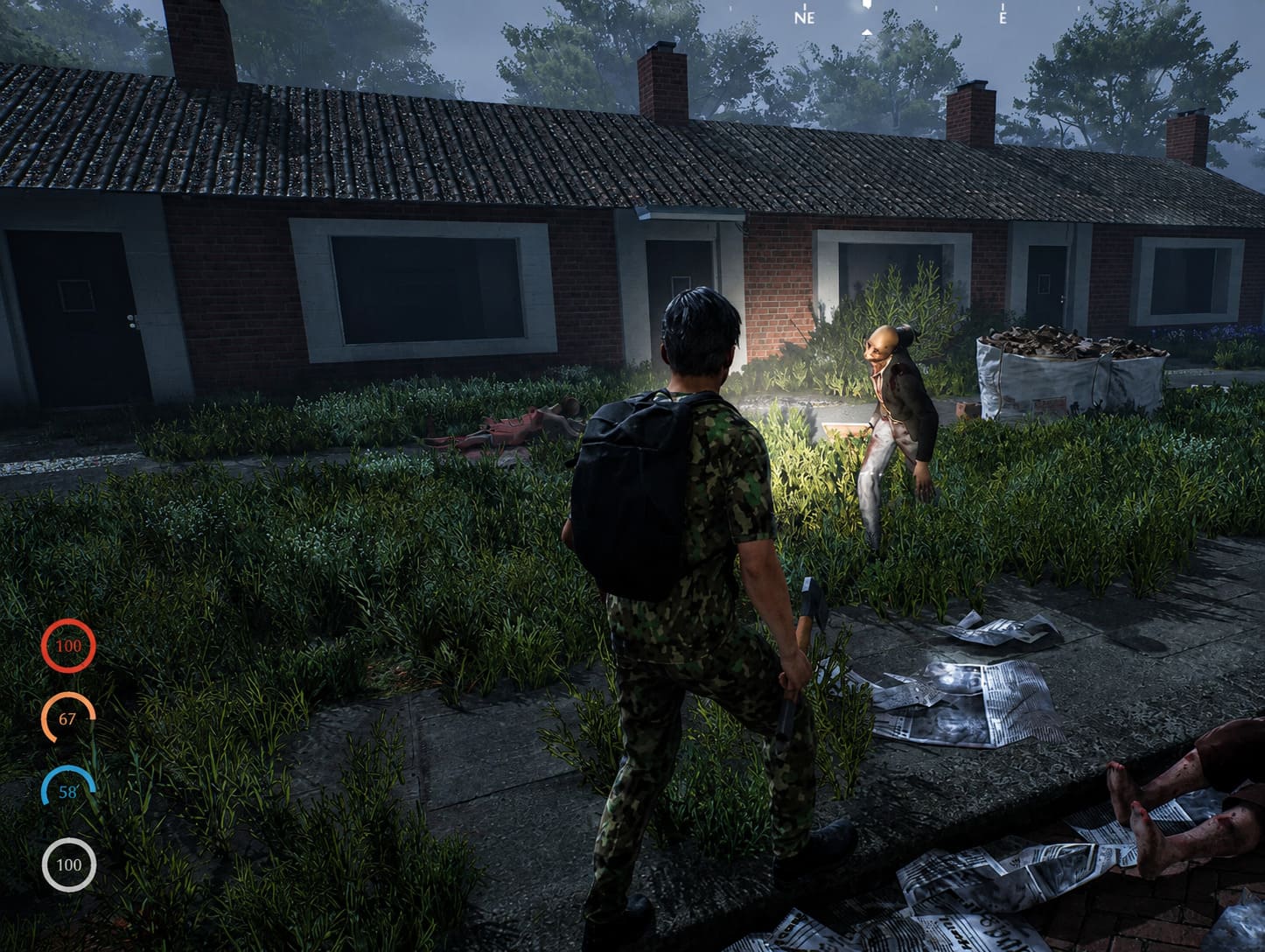
For example:
- Collect wood and fiber.
- Hunt for food.
- Mine metal.
- Search industrial buildings.
- Expand the base.
That simple routine keeps inventory organized while making every trip more productive.
It also means I’m usually back before sunset instead of trying to sprint home with a completely overloaded backpack.
Don’t Ignore Vehicles
I underestimated transportation for far too long.
Finding vehicle components may not feel exciting early on, but mobility becomes one of the strongest advantages later.
A working vehicle changes almost every aspect of survival:
- You carry dramatically more resources.
- Returning home before dark becomes much easier.
- Long-distance exploration feels safer.
- Building materials stop becoming a constant limitation.
Even a simple transport solution saves hours over several in-game days.
Whenever I’m near abandoned roads or industrial areas, I always check vehicles before anything else.
Harvest Everything
This is one of those little details that doesn’t seem important until much later.
If I decide to collect resources from an area, I clear the entire location instead of leaving partially harvested nodes behind.
Over time I noticed resource zones regenerated much more consistently, and I never had to remember which rocks, trees, or scrap piles were half-finished.
It’s cleaner.
It’s faster.
And it saves surprisingly large amounts of time during long play sessions.
My Biggest Rule: Never Fight the Clock
If I could give only one piece of advice to new players, it would be this:
When the sky starts changing color, stop whatever you’re doing.
Seriously.
That abandoned warehouse isn’t going anywhere.
Neither is that extra metal deposit.
Most of my early deaths happened because I convinced myself I could squeeze in “one last stop.”
Almost every experienced player eventually learns the same lesson.
Darkness arrives faster than you think.
A Strong Base Beats Expensive Weapons
New players often spend resources crafting better gear before improving their base.
I did exactly the same thing.
Looking back, stronger walls probably would’ve saved me far more often than another upgraded weapon.
A good defensive layout should focus on directing enemies instead of simply blocking them.
Rather than surrounding everything with one massive square wall, I intentionally leave a controlled entrance leading toward traps.
That forces attackers into predictable paths where they’re much easier to eliminate.
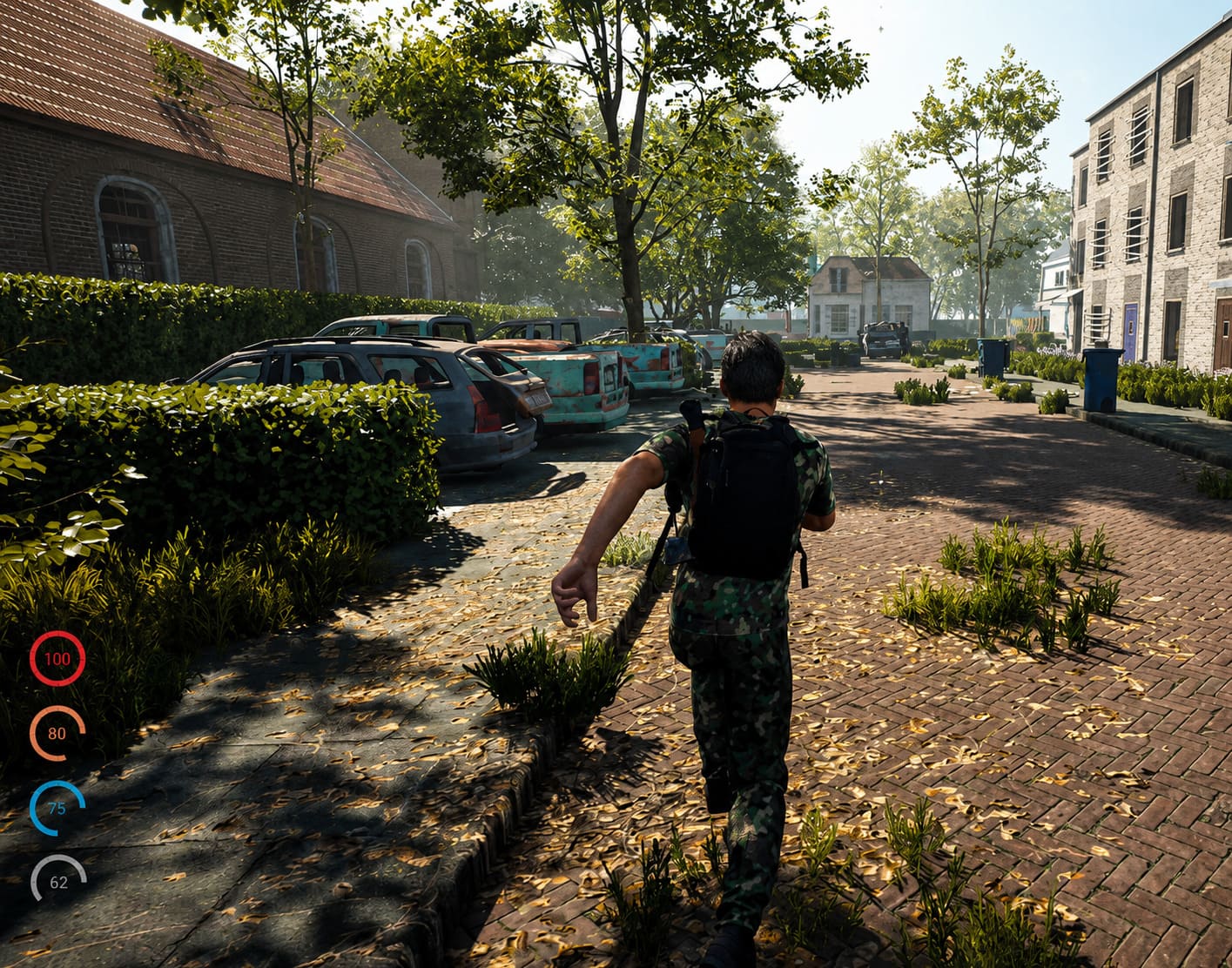
My favorite defensive upgrades include:
- Wooden spike corridors
- Barbed wire choke points
- Elevated firing platforms
- Tree barriers around the perimeter
Natural obstacles can sometimes slow enemies better than expensive crafted walls.
Storage Organization Actually Saves Lives
It sounds boring.
It absolutely isn’t.
When something breaks through your defenses in the middle of the night, you don’t want to search five random containers looking for ammunition.
My storage system is simple:
| Chest | Contents |
|---|---|
| Medical | Bandages, medicine, emergency healing |
| Combat | Weapons, ammo, armor |
| Building | Wood, stone, metal |
| Food | Cooked meals, raw ingredients |
| Crafting | Components and mechanical parts |
Finding supplies instantly during an attack is worth far more than having a perfectly decorated base.
Light Can Be Your Worst Enemy
One mechanic I genuinely appreciate is how realistic lighting feels.
Flashlights make navigation much easier, but they’re also impossible to ignore.
Keeping a beam active for too long feels like announcing your exact position to everything nearby.
Now I use light differently.
Inside the base
- Cover exposed windows.
- Keep fires deeper indoors.
- Use weaker light sources whenever possible.
Outside
- Turn the flashlight on only when necessary.
- Memorize familiar routes.
- Avoid standing in open areas with the beam active.
A few seconds of darkness is usually safer than advertising where you are.
Noise Is Just as Dangerous
The game rewards patience.
Running, chopping trees, reloading loudly, or jumping around after sunset attracts far more attention than many players realize.
When I’m outside at night, I crouch almost constantly.
Movement becomes slower, but the reduced sound makes avoiding fights much easier.
And honestly, avoiding combat is usually better than winning combat.
Every unnecessary fight costs ammunition, durability, medicine, or food.
The Mistake I Made With Campfires
For several days I kept placing campfires outside my front door.
It looked nice.
It was also an open invitation for trouble.
Now every fire goes well inside the base, protected by multiple walls.
If I’m exploring far from home, I look for caves, rocky formations, or enclosed spaces before lighting anything.
Warmth is essential.
Advertising your location isn’t.
Night Doesn’t Always Mean Staying Home
This surprised me more than anything else.
Most beginners assume nighttime is simply for sleeping.
That’s certainly the safest option.
Eventually, though, I discovered certain underground locations actually become easier to clear after dark.
Many dangerous surface enemies leave those interiors during the night, making some bunkers noticeably less crowded.
Of course, I wouldn’t recommend trying this without:
- Reliable healing supplies.
- Plenty of batteries or glowsticks.
- A dependable weapon.
- A planned escape route.
It’s definitely a higher-risk strategy, but the loot can justify it.
Multiplayer Changes Everything
Playing with friends completely changes defensive planning.
Instead of everyone hiding inside one room, we started splitting responsibilities.
One player watches from an elevated position while everyone else focuses on defending choke points.
If things start getting out of control, the lookout can deliberately draw attention away from weaker entrances.
It’s a surprisingly effective strategy that makes even large attacks feel much more manageable.
Is The Left Behind Co-Op Multiplayer? Full 2026 Gameplay Guide
Small Habits That Made Me Better
These aren’t flashy tricks, but they’ve probably kept me alive more than anything else.
- Always leave base early instead of late.
- Carry fewer items than your maximum capacity.
- Repair equipment before exploring.
- Cook food whenever possible instead of relying on raw ingredients.
- Watch the sky more often than the minimap.
- Know when to abandon loot.
The last one is especially important.
I’ve lost far more valuable equipment trying to save mediocre resources than I ever have by simply walking away.
Final Thoughts
After spending a lot of time with The Left Behind, I don’t think the monsters are what make the game memorable.
They’re only part of the challenge.
What keeps pulling me back is the constant pressure created by the clock. Every decision has a cost. Every extra minute spent looting could become the reason you don’t make it back before nightfall. That simple mechanic turns even routine resource runs into tense, meaningful choices.
Once I accepted that the game rewards discipline instead of greed, everything started clicking. My bases lasted longer, I stopped losing gear to avoidable mistakes, and nighttime transformed from something I feared into something I could actually prepare for.
You don’t need perfect aim or legendary equipment to survive here.
You need a plan.
Respect the daylight, never underestimate the dark, and remember that sometimes the smartest move in The Left Behind is simply knowing when it’s time to head home.