Insider Gaming Showcase 2026: Indie Game Highlights and Full Summary
When I watched the Insider Gaming Showcase 2026, I expected a typical indie compilation event meant to fill space before the bigger Summer Game Fest season.
What I actually got felt much more meaningful. It wasn’t just another marketing stream filled with hype and cinematic trailers. Instead, it felt like a living snapshot of where indie gaming is heading right now, shaped by developers who actually need visibility and players who are constantly looking for something fresh.

As someone who plays across almost every genre—from relaxing farming sims to competitive shooters—the showcase felt unusually personal.
It wasn’t trying to impress with spectacle. It was trying to connect ideas, developers, and players in a direct and practical way.
A Different Kind of Gaming Showcase
Most major gaming events follow a predictable structure: big publishers, long cinematic trailers, celebrity appearances, and carefully scripted announcements. The Insider Gaming Showcase 2026 broke away from that entirely. Instead of slowing things down, it pushed a fast-paced format that delivered 55 indie games in just 75 minutes.
The pacing was intense but surprisingly effective. One trailer transitioned directly into another without filler or long speeches. It created a sense of constant discovery, almost like scrolling through a curated library of upcoming games rather than watching a traditional presentation.
Key highlights included:
- 55 indie games showcased in total
- Approximately 12 world premieres
- A mix of gameplay footage, prototypes, and concept presentations
- A strong focus on Steam wishlists and early community support
- Direct connection between developers, publishers, and investors
Games That Stood Out the Most
Even though the showcase was packed with titles, a few projects stood out immediately because they had strong identity and direction. These weren’t necessarily the most polished games, but they felt memorable in a way that stuck after the stream ended.
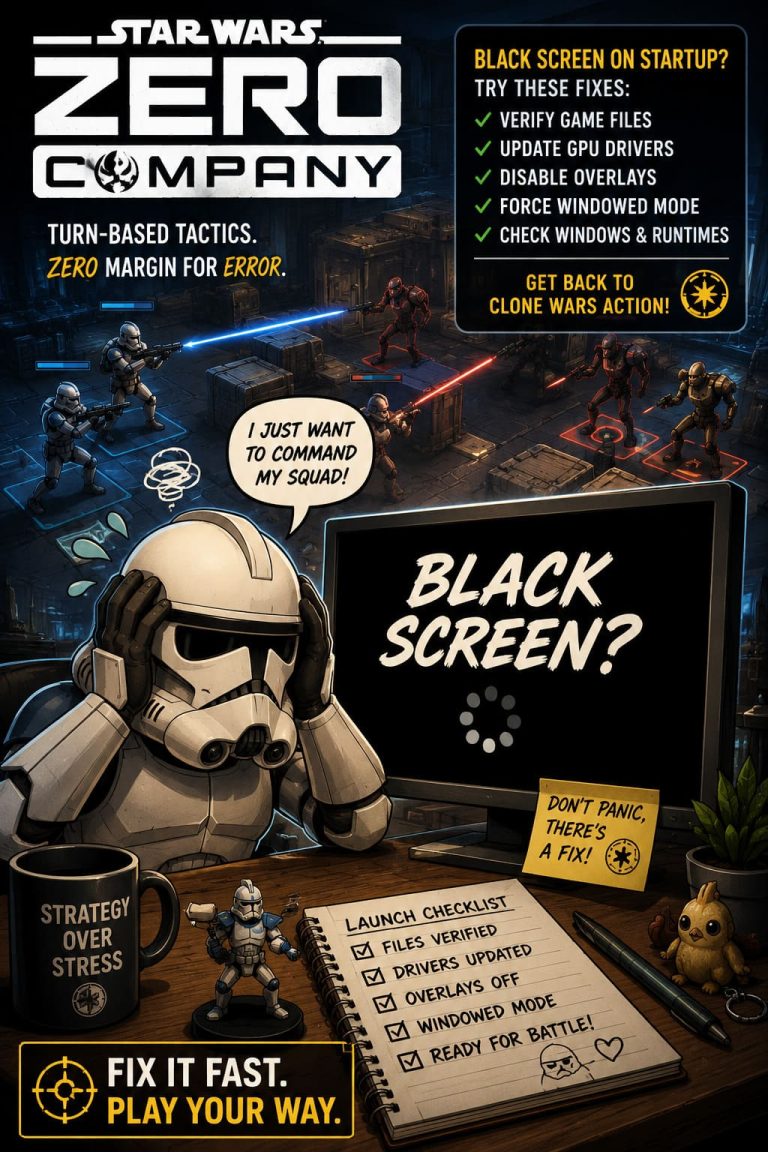
Is Star Wars: Zero Company an XCOM Clone or Something More?
Hawthorn – Cozy RPG With Depth
Hawthorn was one of the most talked-about reveals of the showcase. Built by developers with AAA backgrounds, it combines cozy life simulation with RPG exploration in a woodland fantasy world filled with personality-driven creatures.
The game focuses on village building, farming, crafting, and exploration, with both solo and co-op gameplay options. What makes it stand out is its pacing. It doesn’t rush the player or overload them with systems immediately. Instead, it builds slowly into something more immersive over time.
Terminal War – Tactical Shooter With Identity
Terminal War stood out for its tone more than anything else. It is a 4v4 tactical shooter set in a fractured near-future America. The atmosphere is heavy, grounded, and intentionally bleak.
The gameplay focuses on teamwork, positioning, and deliberate combat rather than fast arcade action. It feels closer to older tactical multiplayer experiences that emphasized coordination and strategy. The setting also adds emotional weight, giving matches a sense of tension beyond simple competition.
Combo Devils – Fighting Game Experiment
Combo Devils brought a completely different energy. It blends traditional fighting game mechanics with physics-driven platform movement, creating a system where aerial combat and movement flow into each other seamlessly.
The result looks chaotic in motion but deeply expressive in gameplay. Instead of focusing only on grounded duels, the game encourages players to think vertically and creatively during fights.

Other Notable Projects
Several additional games also caught attention for their originality:
- Toypunk – a fast-paced urban brawler with punk-inspired aesthetics
- Bassai-Dai – a rhythmic martial arts combat game built around precision timing
- Unyverse – a sci-fi sandbox focused on exploration and deep customization
How the Showcase Changes Indie Game Funding
What makes this showcase especially interesting is not just the games themselves, but the structure behind it. Unlike traditional showcases designed purely for marketing, this event also functioned as a real-world funding and discovery platform.
Developers weren’t just showing trailers to players. They were also presenting their projects directly to venture capital firms, publishers, and investors. This created a dual-purpose environment where visibility could quickly turn into financial backing.
In practice, this meant that some games had playable demos, while others were still in early conceptual stages. Despite that difference, all of them were given equal exposure, which is rare in the gaming industry.
Why This Format Works for Players
At first glance, this kind of structure might seem more business-focused than player-focused. But in reality, it benefits players in several important ways.
More Games Actually Reach Completion
Indie development often fails due to lack of funding. By connecting games directly to investors, more projects have a realistic chance of reaching release.
Player Influence Becomes More Direct
Wishlist numbers and early engagement now play a larger role in determining which games receive funding or publisher support.
Less Marketing Noise, More Substance
The showcase avoided long speeches and celebrity segments. Instead, it focused on gameplay concepts and ideas, which made the experience feel more authentic.
Community Response and Industry Reaction
The reaction from players and online communities was generally positive. Many appreciated the fast pacing and constant variety of genres. Instead of waiting through long segments for a few major announcements, viewers were constantly exposed to new ideas.
Some concerns did appear regarding platform availability, especially whether certain indie titles would remain PC-exclusive or eventually come to consoles. However, the overall sentiment was that the showcase filled an important gap in the gaming ecosystem.

Impact Overview
The showcase demonstrated measurable shifts in how indie games are discovered and supported. Below is a simplified breakdown of its impact:
| Category | Impact |
|---|---|
| Indie Visibility | Very High |
| Investor Engagement | Strong Increase |
| Player Wishlist Activity | Significant Growth |
| AAA Competition Presence | Low (by design) |
| Industry Innovation | High Potential |
Final Thoughts
The Insider Gaming Showcase 2026 didn’t feel like a traditional gaming event. It felt more like a structured glimpse into the future of indie development, where ideas matter just as much as finished products.
Not every game shown will succeed, and not every concept will reach final release. But the important part is that these games were given visibility at a crucial stage in their development. That alone changes the ecosystem in a meaningful way.
From a player’s perspective, especially someone who enjoys exploring different genres, this showcase felt refreshing. It wasn’t trying to dominate attention with spectacle. It was trying to create opportunities—for developers, for investors, and ultimately for players discovering their next favorite game.
If this format continues in future years, it could easily become one of the most important indie-focused gaming events on the calendar.