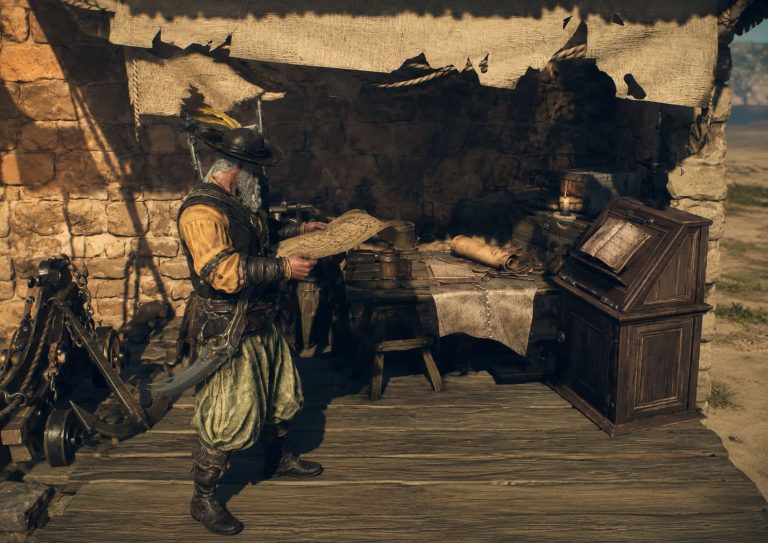
Soulmask Nile Region: Ultimate Guide to Secrets, Hidden Ruins, and the 2026 Expansion
When Soulmask dropped its 2026 desert expansion, I honestly didn’t expect it to feel this different. Moving from the dense jungle into the Nile-inspired region isn’t just a visual upgrade—it completely changes how you think, move, and survive. The game stops holding your hand here. Heat kills you, ruins punish mistakes, and even your best tribesmen can become dead weight if you’re not careful.
After spending dozens of hours exploring the Nile, dying in dumb ways, and finally figuring out what actually works, here’s a grounded, human take on how to survive—and dominate—this brutal region.
Why the Nile Region Feels Like a Different Game
The first thing that hits you isn’t enemies—it’s the environment itself.
The desert introduces mechanics that constantly pressure you:
- Heatstroke builds up faster than expected
- Water becomes a strategic resource, not just a refill
- Sand mobility changes how mounts and combat feel
- Ruins are no longer simple dungeons—they’re layered challenges
If the jungle was about exploration, the Nile is about control.

Understanding the Map: Where You Should (and Shouldn’t) Go
The region is built around one main artery—the river—but everything around it is trying to kill you.
Key zones you’ll spend most of your time in:
| Area | What It’s Good For | What Will Kill You |
|---|---|---|
| Fertile Banks | Farming, water access | Crocodiles, piranhas |
| Sun-Scorched Dunes | Mount travel, resource farming | Sand-worms, heat |
| Holy Plateaus | Endgame loot, ruins | Mechanical enemies |
Personal tip: Don’t treat the river as “safe.” It’s actually one of the most dangerous places early on because you underestimate it.
Soulmask Legendary Tribesmen Guide 2026: Combat Roles and Tribal Meta
Hidden Ruins: Where the Game Actually Begins
Let’s be real—the real progression in this expansion comes from ruins.
These are no longer simple caves. They feel more like mini-raids.
What makes them dangerous:
- Multi-level layouts
- Environmental puzzles
- Traps that punish rushing
- Bosses that require actual strategy
The Pyramid Run: Not How You Expect
Everyone tries the main entrance first. Big mistake.
There’s a hidden side entry that most experienced players use because it skips unnecessary fights, gives faster access to puzzle sections, and is simply more efficient overall.
Inside, you’ll run into a light-reflection puzzle that actually forces you to pay attention to the environment. No brute forcing here.
And yes, the reward is worth it.
The Mask System Feels Finally “Complete” in 2026
Masks used to feel strong—but now they feel defining.
The desert update pushes you into specializing your build instead of just stacking stats.
- Mind control mechanics finally feel useful
- Radiation resistance becomes essential, not optional
- Combat abilities actually change how fights play out
Data Nodes: Small Feature, Huge Impact
At first, I ignored these. Big mistake.
Data Nodes are basically your way to customize your playstyle properly.
The three upgrades that made the biggest difference for me:
- Thermal resistance – mandatory, not optional
- Awareness boost – speeds up progression more than expected
- Energy efficiency – helps during long dungeon runs
If you’re struggling in the desert, you’re probably underusing these.
Tribesmen Matter More Than You Think
This is where the game quietly shifts from survival to management.
You’re not the hero—your tribe is.
What I learned the hard way:
- Not all high-level NPCs are worth recruiting
- Traits matter more than raw stats
- Heat resistance is a hidden game-changer

Combat Feels Slower—but Smarter
You can’t button mash your way through fights here.
Especially against mechanical enemies, positioning, timing, and using the environment become essential rather than optional.
This is where the game starts feeling closer to a tactical RPG than a survival sim.
Mount Choice: Forget Everything You Used Before
Your jungle habits will get you killed.
Why the Ostrich is actually broken (in a good way):
- No stamina penalty on sand
- High sustained speed
- Can outrun most threats
There’s even a hidden upgrade mechanic involving rare food that makes it even stronger.
Once you switch, you won’t go back.
Surviving the Heat (The Real Enemy)
Enemies are predictable. Heat isn’t.
This system forces you to constantly plan ahead and manage your resources carefully.
What actually works:
- Always carry multiple water sources
- Avoid heavy armor during daytime
- Travel during cooler periods when possible
One bad decision here can kill you faster than any boss.
Base Building: Stop Building on Sand
This sounds obvious—but people still do it and regret it later.
Why sand bases fail:
- Durability loss over time
- Harder resource management
- Poor defensive positioning
Where you should build instead:
- Elevated rock formations
- Near—but not on—the river
- Close to resource routes
Smart Resource Planning (Underrated but Critical)
The desert rewards players who plan ahead rather than react.
| Resource | Why It Matters |
|---|---|
| Mechanical Parts | Used in advanced crafting |
| Quartz | Required for upgrades |
| Water reserves | Survival backbone |
If you ignore resource planning, you’ll constantly feel stuck.
Community Myths (And What’s Actually True)
There’s a lot of misinformation floating around.
- No, there’s no hidden “Atlantis” gear set
- Yes, underwater areas exist—and they’re worth exploring
- Base mechanics were improved—you can now relocate key structures
Take community advice with caution. Not everything is real.
What the Expansion Gets Right
After spending real time with this update, a few things stand out clearly.
The environment finally feels like a real threat, progression is tied to exploration instead of grinding, and builds alongside tribes actually matter in meaningful ways.
It’s one of the few updates where the game doesn’t just add content—it changes how you play.
Quick Checklist for Surviving the Nile
- Get a desert-optimized mount early
- Prioritize heat resistance upgrades
- Explore ruins carefully, not aggressively
- Recruit selectively, not randomly
- Build your base on high ground
Final Thoughts: Is the Nile Region Worth It?
Honestly, yes—but only if you’re ready for it.
This isn’t a casual extension of the base game. It’s a real skill check that forces you to adapt or fail.
You’ll die more, get frustrated, and probably lose good gear, but once it clicks, it becomes one of the most satisfying regions in the game.
It rewards patience, planning, and understanding the systems instead of just reacting to them.
And that’s what makes it memorable.