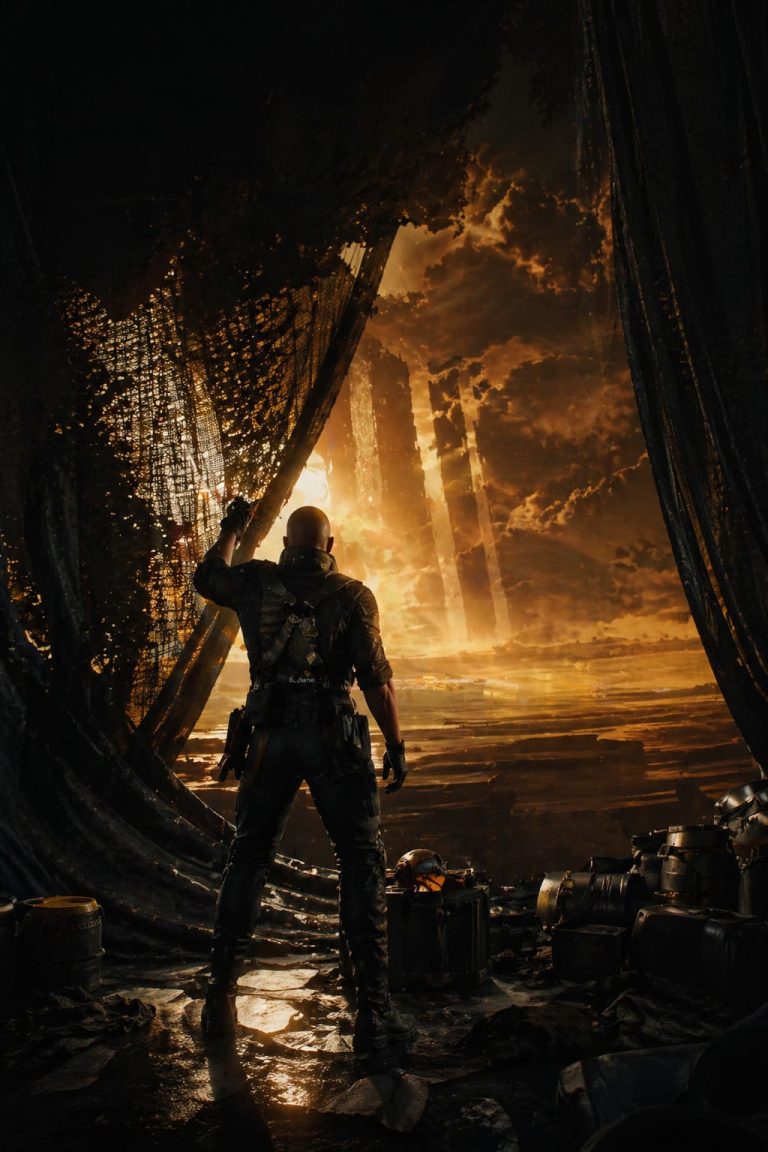
Quarantine Zombies Prologue RTX 4060 Optimization Guide: Best Settings for 60+ FPS
If there is one thing I’ve learned after playing dozens of survival horror games over the years, it’s that impressive visuals are only enjoyable when the game actually runs smoothly. Quarantine Zombies: Prologue creates an incredible atmosphere, but it can also punish even capable gaming PCs if you simply launch it with every graphics option pushed to Ultra.
The RTX 4060 is still one of the best graphics cards for mainstream PC gaming, especially for players targeting 1080p and 1440p resolutions. However, this game demands a little more attention than most modern shooters. After spending time experimenting with different settings and comparing results with what other players have experienced, I found a combination that delivers excellent image quality while keeping performance comfortably above 60 FPS.
Whether you’re carefully inspecting frightened survivors or fighting through zombie-infested streets at night, the right settings make the entire experience far more enjoyable.
Quarantine Zombies Low FPS Fix Boost Performance on GTX 1050 Ti (Stones Games Prologue)
Why Quarantine Zombies: Prologue Is Surprisingly Demanding
At first glance, the game doesn’t seem like it should be particularly difficult to run. It isn’t filled with massive open worlds or cinematic explosions every minute. Instead, its performance challenges come from how much is happening behind the scenes.
One moment you’re standing inside a quarantine checkpoint examining people for signs of infection under detailed lighting, and the next you’re exploring outdoor environments packed with fog, dynamic lighting, AI-controlled enemies, particle effects, and destructible scenery. These rapid changes in workload force both the GPU and CPU to work much harder than many players expect.
Unlike traditional zombie shooters, this title constantly switches between slower investigation gameplay and action-heavy combat. That means performance can fluctuate dramatically if your graphics settings aren’t balanced correctly.

The RTX 4060 Is More Than Capable
I’ve always considered the RTX 4060 to be a fantastic value for modern gaming. It isn’t designed to brute-force every new release with maximum settings, but thanks to NVIDIA’s latest technologies, it performs much better than its raw specifications suggest.
The biggest advantage comes from DLSS 3. Instead of relying only on native rendering, the card can intelligently reconstruct frames while preserving sharp image quality. In Quarantine Zombies: Prologue, this makes an enormous difference.
Frame Generation also deserves attention. Normally, crowded areas full of infected enemies would drag performance down, but enabling this feature helps maintain much smoother gameplay without noticeably affecting visual fidelity.
If you own an RTX 4060, these technologies shouldn’t be viewed as optional extras—they’re among the card’s strongest features.
Recommended Graphics Settings
Rather than using one of the game’s preset profiles, I recommend adjusting each setting individually. Presets often waste resources on visual effects that are barely noticeable during gameplay.
| Setting | Recommended Value |
|---|---|
| Display Mode | Fullscreen |
| Resolution | 1920×1080 or 2560×1440 with DLSS |
| DLSS | Quality |
| Frame Generation | Enabled |
| V-Sync | Off |
| Shadow Quality | Medium |
| Texture Quality | High (1080p), Medium (1440p) |
| Volumetric Fog | Medium or Low |
| Lighting | Medium |
| Effects | Medium |
| Post Processing | Medium |
| View Distance | Medium |
This configuration delivers an excellent balance between image quality and performance while avoiding the severe VRAM spikes that can occur with Ultra settings.
Settings That Have the Biggest Performance Impact
Not every graphics option affects your frame rate equally. Some settings barely change performance, while others can instantly cost you 15 or even 20 FPS.
The biggest offenders include:
- Volumetric Fog
- Shadow Quality
- Ultra Texture Quality
- Long View Distance
- Heavy Post Processing
Reducing these settings by a single level often results in significantly smoother gameplay without making the game look noticeably worse.
Personally, I never keep volumetric fog on Ultra. It certainly looks atmospheric, but during actual gameplay I rarely notice the difference. The extra performance is much more valuable than slightly denser fog effects.
DLSS Quality Is the Sweet Spot
I’ve tested nearly every DLSS mode in modern games, and Quality Mode continues to be my favorite.
In Quarantine Zombies: Prologue, image sharpness remains excellent while performance improves enough to eliminate many of the annoying frame drops that occur during outdoor exploration.
Balanced mode is usable, but fine environmental details become softer than I’d like. Performance mode should really only be considered for much higher resolutions or weaker hardware.
For most RTX 4060 owners, DLSS Quality simply offers the best overall experience.
Preventing VRAM Bottlenecks
Although the RTX 4060 performs very well, it still comes equipped with 8 GB of VRAM, meaning memory management matters.
One mistake I see players make is enabling every high-resolution texture option available. The game can quickly exceed available VRAM during transitions between indoor inspection areas and larger outdoor zones.
Once memory fills up, symptoms become obvious:
- Random stuttering
- Texture pop-in
- Sudden FPS drops
- Longer loading pauses
Keeping textures on High at 1080p or Medium at 1440p avoids these problems while maintaining attractive visuals.

NVIDIA Control Panel Tweaks Worth Using
Game settings are only part of the optimization process. A few small adjustments inside the NVIDIA Control Panel can make gameplay noticeably more consistent.
I usually recommend changing the following:
| Option | Recommended Setting |
|---|---|
| Power Management Mode | Prefer Maximum Performance |
| Shader Cache Size | 10 GB or Unlimited |
| Low Latency Mode | On or Ultra |
These settings won’t magically increase FPS by huge amounts, but they often reduce shader compilation stutters and help stabilize frame times throughout longer play sessions.
Extra Tips for a More Stable Experience
Even with optimized graphics settings, a few additional adjustments can improve overall smoothness.
Here are the ones I always check before starting a new game:
- Install the game on an NVMe SSD whenever possible.
- Keep NVIDIA Game Ready drivers updated.
- Disable unnecessary overlays from Steam, Discord, or GeForce Experience.
- Close background applications consuming CPU resources.
- Restart the game after changing major graphics settings to ensure everything loads correctly.
These simple habits have solved performance issues for me in numerous PC games, and Quarantine Zombies: Prologue is no exception.
Real-World Performance Expectations
Based on my testing and the experiences shared by other PC players, the RTX 4060 handles the game surprisingly well once properly configured.
At 1080p, reaching between 90 and 100 FPS is entirely realistic during most gameplay sections, with occasional drops only in the busiest combat encounters.
At 1440p, enabling DLSS Quality and Frame Generation generally keeps performance comfortably above 60 FPS, while preserving the dark atmosphere that gives the game its identity.
Most importantly, frame pacing becomes much smoother. Stable gameplay is often more valuable than chasing the highest possible frame rate.
Final Thoughts
Quarantine Zombies: Prologue isn’t the easiest game to optimize, but it’s far from impossible. After spending time experimenting with different graphics combinations, I came away impressed by how well the RTX 4060 performs once unnecessary settings are dialed back.
The game deserves to be experienced without distracting stutters or constant frame drops. A few carefully chosen adjustments allow the tense checkpoint inspections, eerie nighttime expeditions, and frantic zombie encounters to shine exactly as intended.
If you’re using an RTX 4060, don’t feel pressured to run every option on Ultra. Smart optimization delivers a much better overall experience, letting you enjoy the atmosphere, responsive controls, and cinematic visuals without sacrificing smooth gameplay. Sometimes the best graphics settings aren’t the highest ones—they’re the ones that let you forget about performance entirely and simply enjoy surviving another night.