Forgotlings Guide: Beginner Tips, Tricks, and Stealth vs. Combat Explained
When I first booted up Forgotlings, I expected something charming and artsy. What I didn’t expect was a semi-open world Metroidvania that constantly made me question whether I should draw my sword or start a board game.
Developed by Throughline Games, the same studio behind Forgotton Anne, this new adventure expands everything: scale, choice, combat depth, and especially narrative consequences.
You play as Fig, captain of the sentient ship Volare, navigating the Forgotten Lands where abandoned objects form tribes, alliances, and grudges. It’s beautiful, it’s dangerous, and if you’re new, it can absolutely humble you.
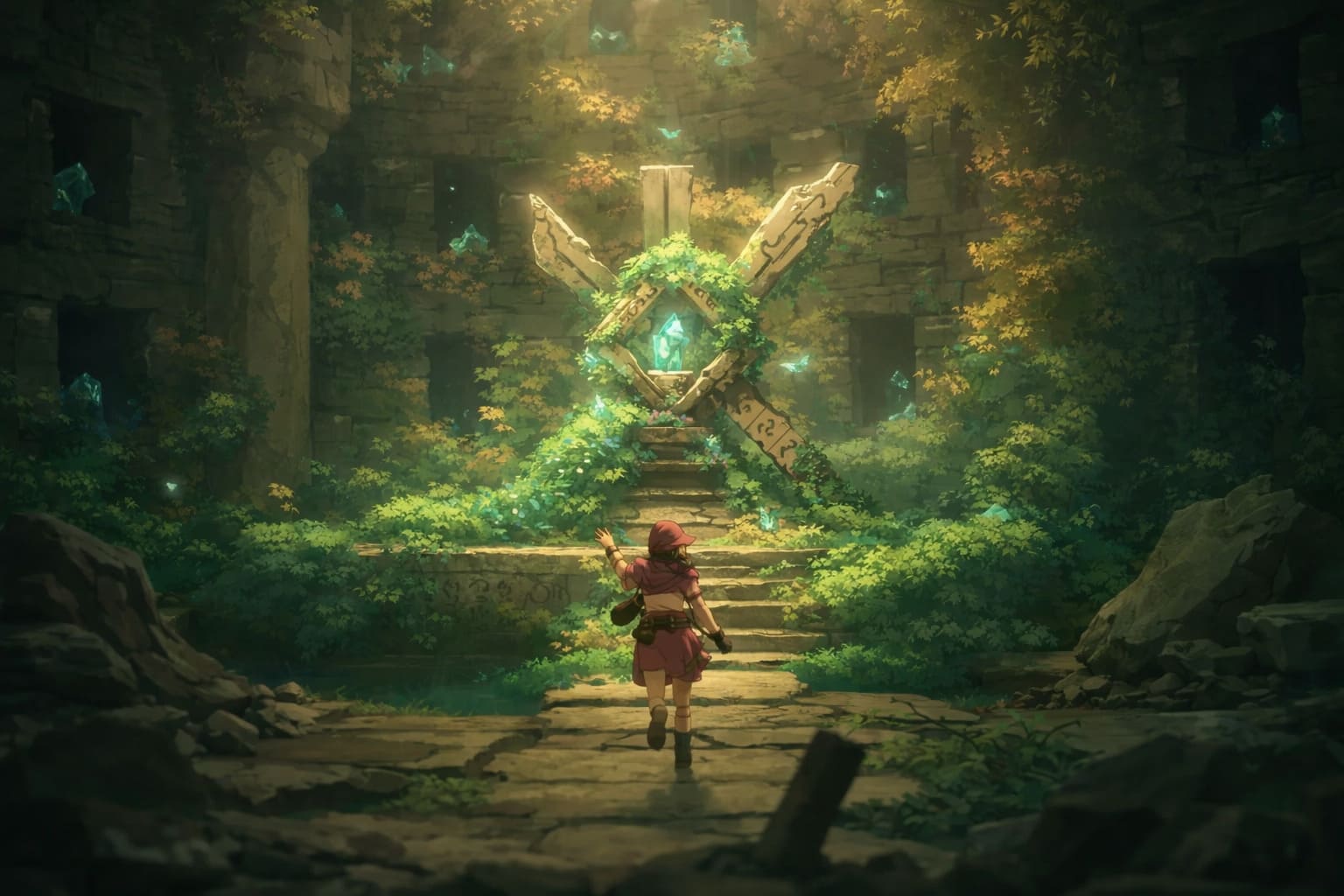
1. Diplomacy Isn’t Flavor Text — It’s a Weapon
Most games say “choices matter.” Forgotlings actually commits to it.
Learn the Game of INA (Seriously)
INA isn’t a gimmick. It’s a strategic board game inside the world, and mastering it can completely change how your journey unfolds.
- Recruit characters without combat
- Unlock alternate quest outcomes
- Prevent faction hostility
- Save resources and health
Early on, I ignored it, and that was a mistake. Once I started treating INA like a core mechanic instead of a side distraction, the game opened up in completely different ways.
Pro Tip: Some tribes respond better to strategic patience, others to aggression, both in dialogue and in INA.
2. This Is a Metroidvania — Backtracking Is the Game
If you’ve played modern Metroidvanias before, you already know the rule: if you can’t reach it now, you will later.
Exploration Strategy That Actually Works
- Use the Volare as your mental reset point
- Take notes or screenshots of blocked areas
- Revisit early zones after every major ability unlock
- Check vertical paths because the game hides secrets above you
The world design hides upgrades in subtle environmental layers, and some of the most valuable memory fragments are tucked behind what looks like pure background art.
3. Combat: Don’t Button Mash. You’ll Regret It.
Combat in Forgotlings feels rhythmic, almost like a conversation. Enemies telegraph heavily but punish impatience.
When to Fight
- You want resources
- You’ve studied the enemy pattern
- You’re confident in dodge timing
When to Sneak
- You’re low on health
- You’re exploring unknown territory
- You’re in faction-sensitive areas
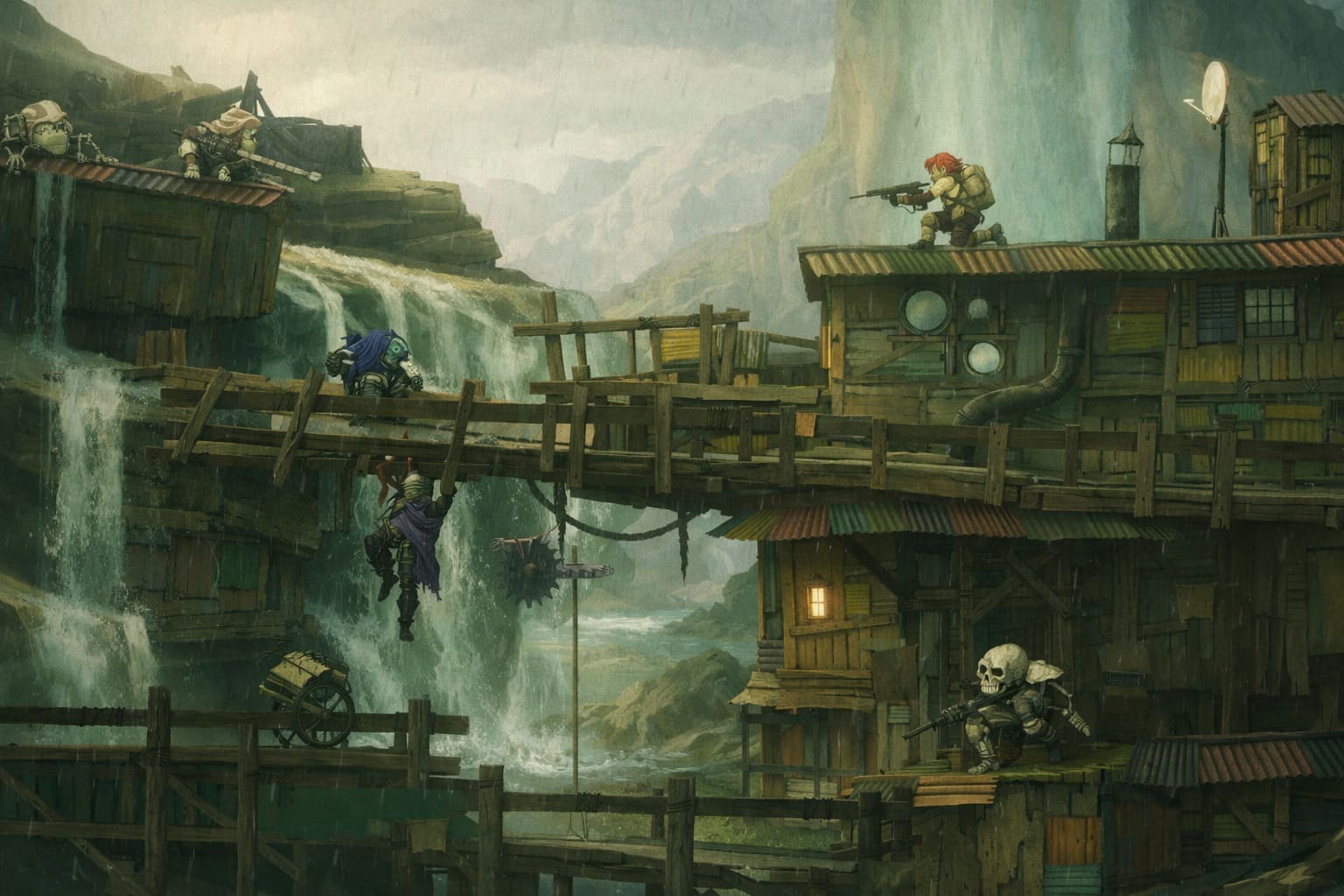
Stealth isn’t just optional, it’s practical. High platforms and vertical layering often keep you invisible to ground patrols, and environmental hazards can damage enemies if you lure them correctly.
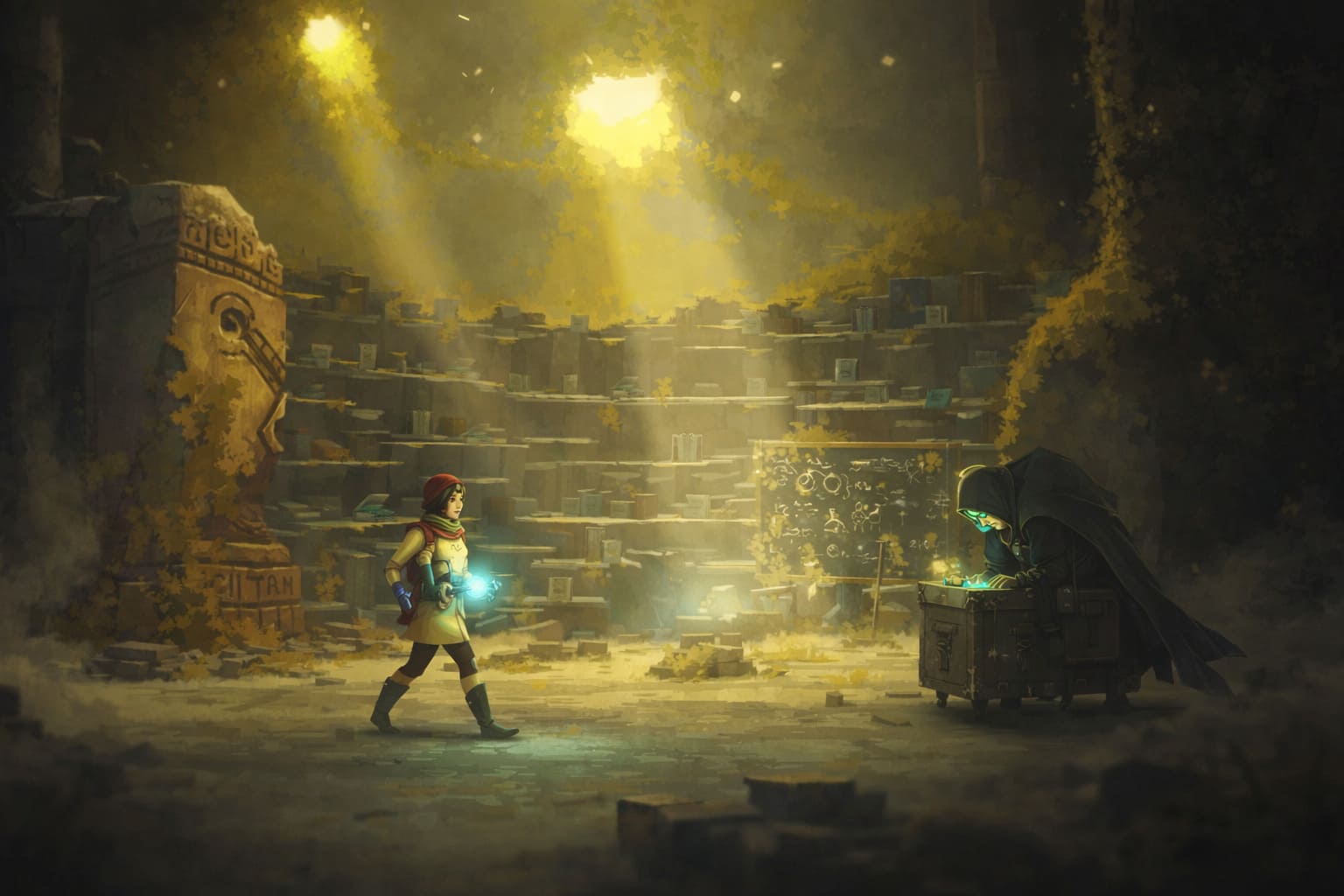
4. Memories Are More Than Lore
“Memories are power” isn’t poetic fluff in Forgotlings. Memory fragments directly influence your ability upgrades, ship enhancements, and sometimes even narrative outcomes.
If you rush the main story, you’ll miss fragments that quietly make late-game encounters significantly easier.
| Playstyle | Result |
|---|---|
| Story-focused rush | Tough mid-game difficulty spikes |
| Balanced exploration | Smoother progression |
| Completionist memory hunt | Strongest ability curve |
Exploration equals power scaling, and the game rewards players who slow down.
5. Talk to Literally Everyone
No exaggeration, even background NPCs can trigger side quests, offer INA challenges, unlock faction shortcuts, or reveal hidden paths.
The Forgotten Lands reward curiosity. This isn’t a checklist game, it’s an atmosphere game.
Forgotlings: Shadow Dancer or Scrap-Swinging Hero? A Fan’s Deep Dive into Stealth vs Combat
There’s something magical about Forgotlings, the upcoming hand-drawn adventure from Throughline Games. The world feels alive in a quiet, melancholic way — a land of discarded objects trying to survive, form tribes, and define their purpose. But once you step into the Forgotten Lands, one question hits fast: do you move like a whisper or fight like a riot?
After spending time with the demo on Steam, I’ve found that Forgotlings gameplay shines brightest when you understand the tension between stealth and combat. Let’s break it down — fan to fan.
The Stealth Route: Playing Like a Ghost in a World of Scrap
Stealth in Forgotlings isn’t just an optional mechanic — it feels like a philosophy. You’re not a super soldier. You’re a fragile, sentient object navigating a fractured world, and that changes how every encounter feels.
Why Stealth Works So Well:
- Verticality is king – Ledges and elevated paths are your best friends, and dropping down behind patrols feels incredibly satisfying.
- Vision cones matter – Enemies don’t magically “know” where you are, and reading their line of sight becomes part of the strategy.
- Noise discipline – Walking versus jogging makes a difference, and crouching near cover genuinely reduces your visibility.
- Environmental distractions – Interactive objects can split patrols or pull guards away, creating clean openings.
The best moments come from slipping through a heavily guarded tribal outpost without triggering a single alarm. That’s peak immersion. But stealth can be unforgiving, and one mistake in tight zones can spiral quickly.
The Combat Path: When Diplomacy Fails
Sometimes you don’t want to sneak. You want to swing. Combat in Forgotlings isn’t mindless button-mashing, but it is riskier, and when you go loud the world reacts.
What Makes Combat Thrilling:
- Escalation mechanics – Detection can bring reinforcements and turn small fights into survival scenarios.
- Resource drain – Health and equipment durability disappear fast if you’re careless.
- Momentum gameplay – Once you master movement, aggressive play feels fluid and empowering.
Early on, combat feels dangerous and scrappy. Later, if you’ve learned the systems, going full warrior mode becomes incredibly satisfying. Still, brute force rarely feels like the intended first choice — it feels earned.
Stealth vs Combat: The Real Comparison
| Feature | Stealth Approach | Combat Approach |
|---|---|---|
| Pace | Slow, deliberate, cerebral | Fast, reactive, chaotic |
| Resource Use | Conserves health and gear | High consumption |
| Risk Type | Detection can cause disaster | Overwhelm can lead to death |
| Best Scenario | Heavy outposts and elite enemies | Scripted fights and weaker groups |
| Player Fantasy | Tactical infiltrator | Battlefield disruptor |
There isn’t a correct way to play, but there is a smarter way depending on the situation.
The Hybrid Style: The Real Meta?
If there’s a strategy that feels truly optimal, it’s the hybrid approach. Play smart first and loud second. Thin out tanky enemies silently, remove ranged threats quietly, then clean up what’s left in open combat.
This hybrid style preserves resources, reduces chaos, keeps encounters dynamic, and feels incredibly cinematic. It also fits the narrative tone of the game perfectly.
How to Fix Heartopia Lag, Crashing on Startup, and Loading Screen Freezes
Demo Advice for New Players
The demo isn’t just marketing — it’s training. Take your time, study patrol patterns, test how far enemies can hear you, and experiment with going loud on your own terms. Forgotlings rewards patience and punishes recklessness, and that balance is what makes it special.
Final Verdict
If you enjoy narrative consequence, exploration-driven power growth, diplomacy as gameplay, and hand-drawn animated worlds, Forgotlings absolutely deserves a spot on your radar.
It’s not just about saving the Forgotten Lands. It’s about deciding how you save them, and that’s what makes it stick.
Stealth gives you control, but combat gives you catharsis. The brilliance of Forgotlings gameplay design is that it never locks you into one identity. You can be the shadow or the storm, and the world reacts either way. That flexibility is what makes this one of the most promising indie adventure games on the horizon.