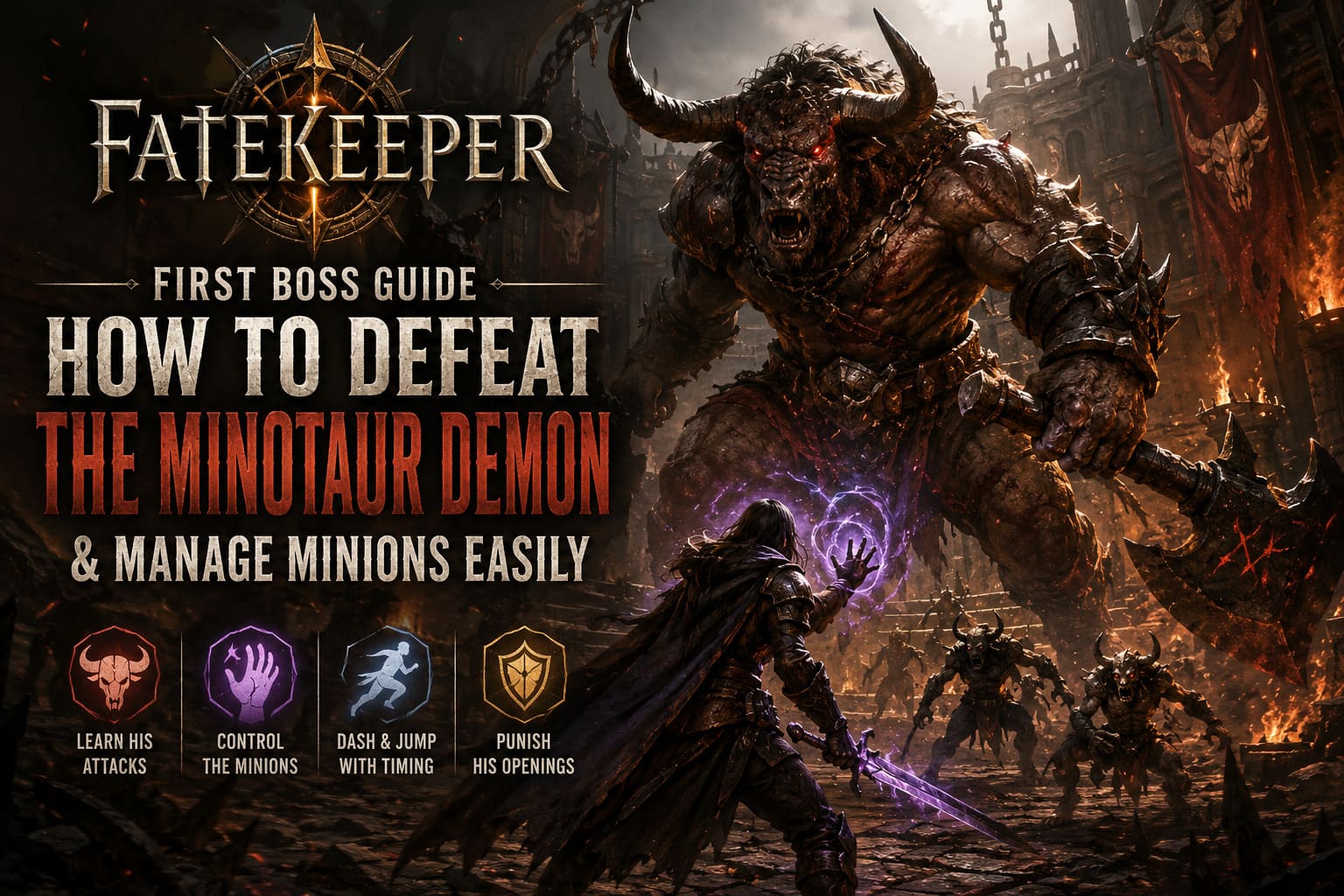
Fatekeeper First Boss Guide: How to Defeat the Minotaur Demon & Manage Minions Easily
When I first stepped into the arena against Fatekeeper’s infamous Minotaur Demon, I honestly thought something was broken. The boss hits absurdly hard, barely gives you room to breathe, and somehow always seems to know exactly where you’re about to dodge. After several failed attempts—and a growing temptation to join the crowd threatening refunds—I finally started to understand what the developers were trying to teach players.
This fight isn’t about raw damage. It isn’t even about having the perfect build. It’s about learning the game’s combat language.
And once that realization clicks, the encounter transforms from an unfair nightmare into one of the most satisfying early-game boss battles I’ve experienced in a first-person action RPG.
Why So Many Players Get Stuck
The biggest mistake most players make is treating the Minotaur Demon like a traditional RPG boss. The natural instinct is to create distance, heal often, and wait for obvious openings.
In Fatekeeper, that approach gets you killed.
The arena is intentionally cramped, forcing players into close-range combat where movement timing matters more than stats. Every panic roll, every rushed heal, and every greedy combo is punished almost immediately.
The boss is designed as an early skill check, and honestly, I think the developers knew exactly what they were doing.
Prepare Before Entering the Arena
One thing I learned the hard way: preparation matters far more than people realize.
Before triggering the encounter, spend a few extra minutes making sure you’ve gathered every useful resource available in previous areas.
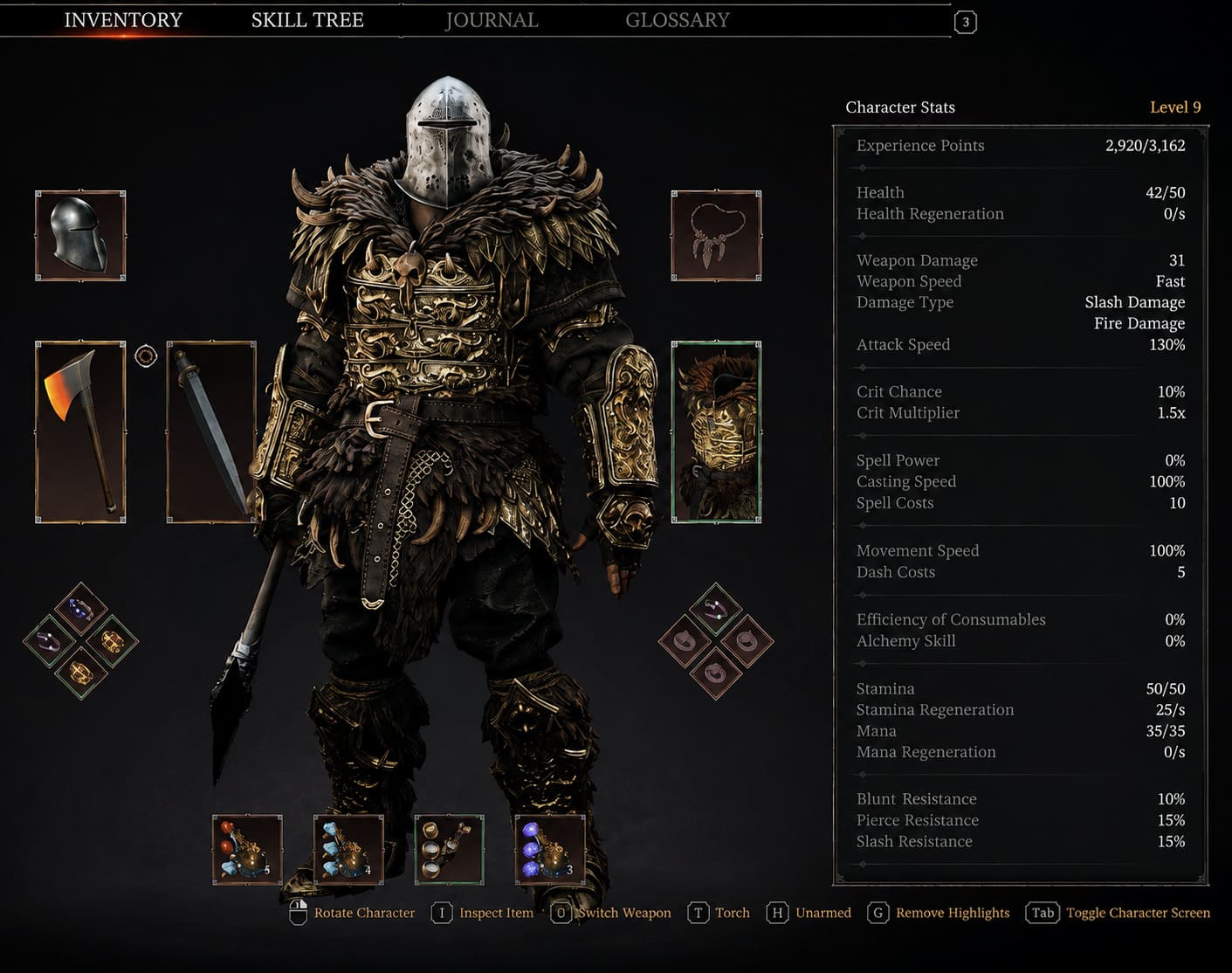
Essential Preparation Checklist
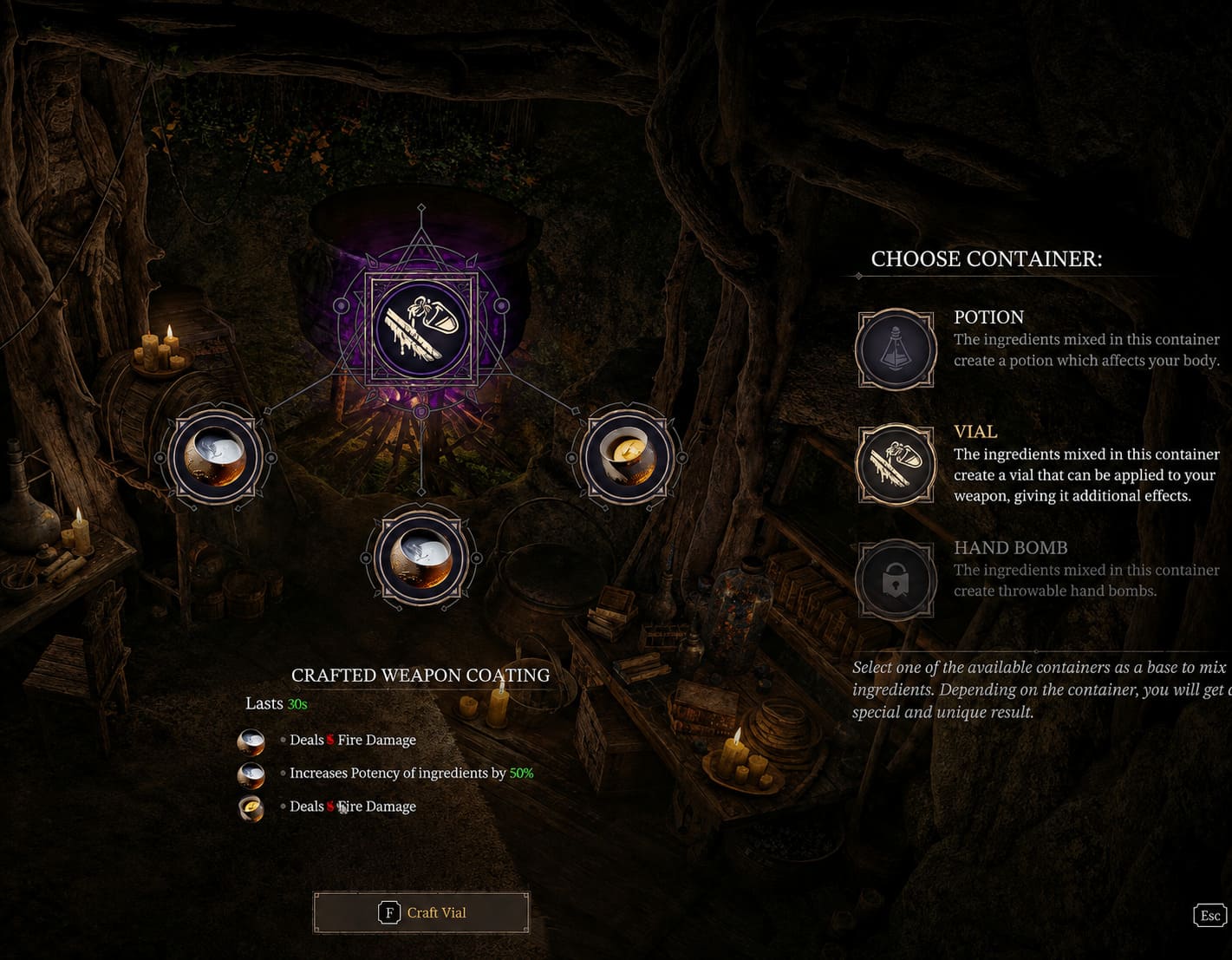
- Collect every mushroom, flower, and crafting plant you find.
- Craft as many healing consumables as possible.
- Stock up on mana restoration items.
- Prepare poison or fire-based offensive tools.
- Equip your preferred weapon before approaching the arena.
Damage-over-time effects are surprisingly effective in this fight. Even when you’re focused entirely on survival, poison and fire continue slowly draining the boss’s health.
That extra passive damage can easily be the difference between victory and another frustrating death screen.
Understanding the Minotaur Demon
At first glance, the boss appears chaotic.
In reality, he relies on a relatively small moveset.
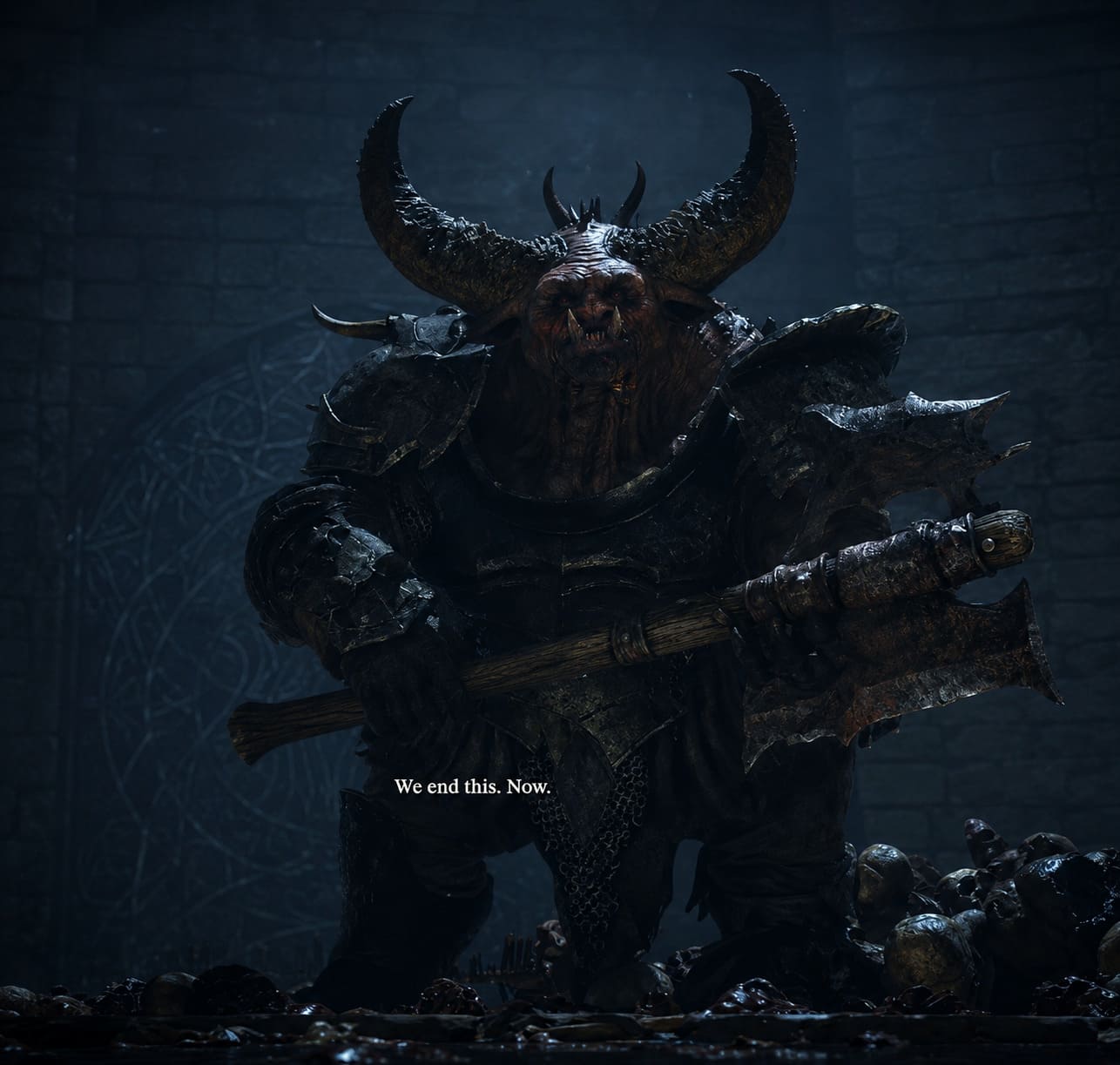
The key is recognizing the visual tells before each attack.
| Attack | Danger Level | Best Response |
|---|---|---|
| Charging Rush | High | Side dash at the last moment |
| Ground Slam | Medium-High | Jump over shockwave |
| Horizontal Swipe | High | Dash through attack |
| Enraged Roar | Low | Free damage opportunity |
Once I stopped reacting randomly and started identifying attack animations, the entire fight became dramatically easier.
The Secret Most Players Miss: Stay Close
This sounds completely backwards.
Normally, when a giant demon is trying to crush you with an oversized weapon, creating distance feels like the safest option.
In Fatekeeper, it’s actually the opposite.
The farther away you move, the more likely the Minotaur Demon is to use his most dangerous abilities.
His charging attacks become harder to avoid at long range because they include surprising tracking. Several times I thought I had dodged correctly only to get clipped anyway.
By staying within medium range, you encourage simpler melee attacks that are much easier to predict.
Think of it this way:
Close range equals control.
Long range equals chaos.
Managing the Minions Without Losing Your Mind
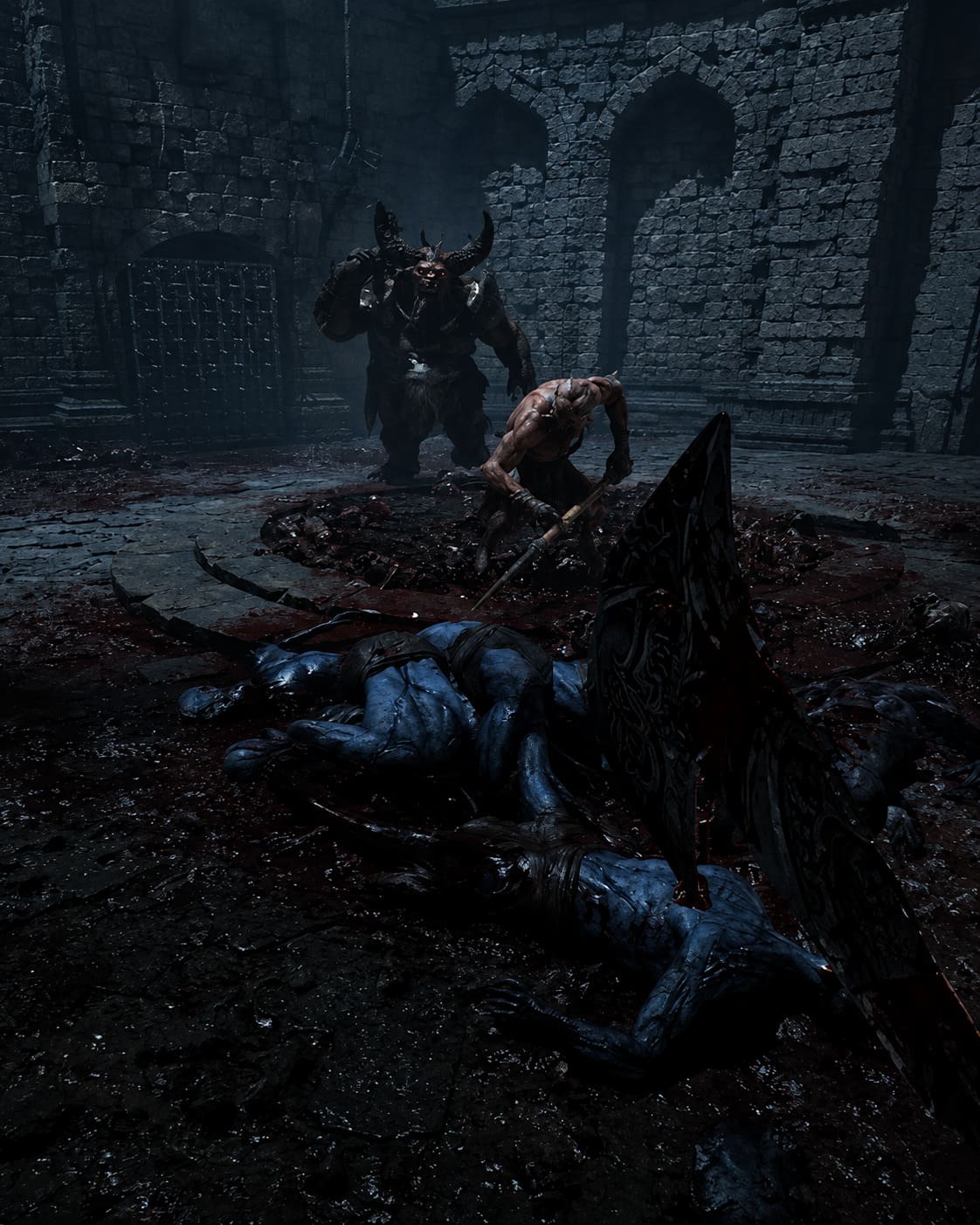
If the boss wasn’t enough already, Fatekeeper throws additional enemies into the arena.
These minions might not deal massive damage individually, but they create constant problems:
- Blocking movement paths.
- Interrupting healing animations.
- Forcing awkward positioning.
- Distracting you from the boss.
Many failed attempts happen because players focus entirely on the Minotaur while allowing the arena to fill with smaller enemies.
That’s a recipe for disaster.
Use Telekinesis Early
One of the smartest tactics I’ve seen is using Telekinesis immediately when new enemies appear.
Instead of charging into a crowd, pull individual targets away from the group and eliminate them quickly.
The faster you restore space inside the arena, the easier the rest of the encounter becomes.
Turn the Environment Into a Weapon
Environmental hazards are incredibly valuable here.
With proper positioning, you can knock smaller enemies into traps, spikes, or dangerous terrain and remove them without spending significant resources.
Every minion killed this way is one less threat standing between you and a successful boss attempt.
Mastering the Dash Timing
If there is one skill that determines success more than anything else, it’s dash timing.
Fatekeeper rewards aggressive dodging.
Many players instinctively dodge backward.
That’s usually the wrong move.
The safest option is often to dash directly through the boss’s attack animation. Thanks to invincibility frames, a properly timed dash can completely negate damage while placing you in an ideal counterattack position.
This mechanic took me several attempts to fully trust.
Once I did, my survival rate skyrocketed.
Don’t Ignore Jumping
The game teaches players to dash constantly, but jumping is equally important.
The Minotaur’s ground slam attacks generate dangerous shockwaves that linger longer than expected.
Trying to dodge along the floor can still result in taking damage.
Jumping over the shockwave not only keeps you safe but frequently places you close enough to punish the boss immediately after landing.
It’s a small adjustment that makes a huge difference.
Punish Fatigue Windows
Every major attack sequence eventually leaves the boss vulnerable.
These moments are short.
Very short.
The temptation is to unload an entire combo.
Don’t.
A common reason players die is greed.
Land a few quick attacks.
Apply poison if available.
Deal some damage.
Then get ready to move again.
The Minotaur punishes overconfidence better than almost any early-game boss I’ve encountered recently.
The Wall-Crash Strategy
For players who are still struggling, there’s one tactic that feels almost unfair.
Bait the charge.
Position yourself near a wall, pillar, or environmental obstacle.
When the boss begins his rush attack, wait until the last possible moment and dodge sideways.
If executed correctly, he’ll crash directly into the obstacle and become stunned.
The reward is enormous.
You’ll gain one of the longest damage windows available during the entire encounter.
Even players having difficulty with melee mechanics can use this strategy to dramatically simplify the fight.
Safe Healing Opportunities
Healing in Fatekeeper is risky.
Animations are slow.
There are no easy cancels.
And the boss rarely gives you free space.
Because of this, healing should only happen during specific moments:
- After a successful wall crash stun.
- During the Enraged Roar animation.
- When you’ve fully cleared active minions.
Trying to heal while the boss is actively pursuing you is almost guaranteed to end badly.
Fatekeeper Performance Guide: Glitched Low Preset vs Medium Graphics Fix
Recommended Playstyles
While nearly any build can win, some approaches feel more comfortable than others.
Fast Weapons
Daggers and lighter weapons allow rapid strikes and quick repositioning.
These builds reward mobility and precision.
Magic Builds
Fire-based damage performs particularly well thanks to ongoing burn effects.
You can keep pressure on the boss even while focusing on defense.
Heavy Weapons
Viable, but less forgiving.
Mistimed swings leave you exposed to devastating counterattacks.
Fatekeeper Combat Guide: How to Parry, Kick, and Master Melee Combat Mechanics
Final Thoughts
After finally defeating the Minotaur Demon, I went from hating this fight to genuinely appreciating it.
Yes, it’s difficult.
Yes, it can feel unfair during your first few attempts.
But beneath the frustration lies a surprisingly well-designed encounter that teaches nearly every important combat mechanic Fatekeeper has to offer.
Control the minions early. Stay closer than your instincts tell you. Learn the timing of your dash and jump. Punish only the safest openings.
Do that, and the boss that once seemed impossible suddenly becomes manageable.
And trust me—few victories in Fatekeeper feel as satisfying as watching that oversized demon finally hit the ground.