Hotel Architect Guide: Top 15 Tips and Tricks for Beginners (2026 Update)
When I first launched Hotel Architect, I expected a relaxing management sim—something cozy where I’d casually place furniture, hire a few employees, and watch the money roll in.
I was wrong.
Within my first two hours, I had accidentally demolished part of my lobby during peak check-in, my kitchen staff had gone on break at the exact moment a hotel inspector arrived, and guests were leaving furious reviews because builders were drilling walls at midnight.
Classic.
That’s when I realized something important: Hotel Architect isn’t just about building beautiful hotels—it’s about controlling organized chaos.
And honestly? That’s what makes it so addictive.
After spending far too many late nights optimizing layouts, reading player discussions, and learning from painful mistakes, I’ve collected the beginner strategies that genuinely make the biggest difference. If you’re just starting out—or wondering why your hotel feels like it’s constantly on the verge of collapse—these are the tips that will save your sanity.
1. Construction Timing Matters More Than Your Design
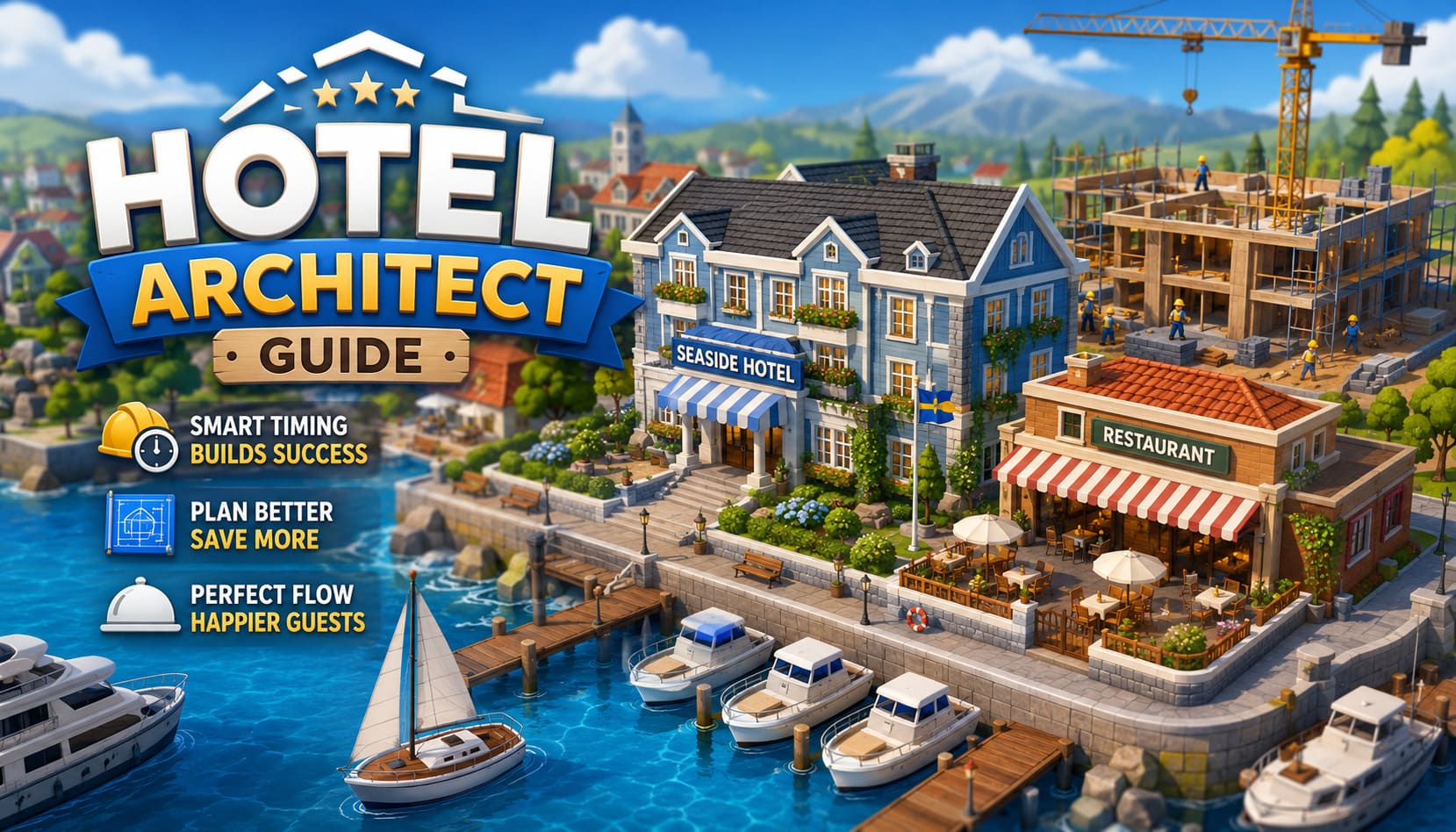
One of the smartest systems in Hotel Architect is also one of its most brutal: construction happens in real time.
That means your builders don’t magically work in a paused design mode. They hammer walls, destroy floors, and make noise while your guests are actively trying to sleep.
And guests hate that.
A beautiful new luxury wing means nothing if your review score crashes because construction crews were tearing down hallways at 1 AM.
What works best:
- Expand during early morning checkout hours
- Build disconnected sections first
- Connect them later during low-traffic windows
- Avoid demolishing guest-facing walls during peak occupancy
Think like a real hotel manager: renovations should feel invisible.
2. Blueprint Cancellation Saves Huge Amounts of Money
This sounds simple, but beginners overlook it constantly.
When placing walls or foundations, your design exists in a temporary blueprint phase. Until construction begins, mistakes are basically free to fix.
Use that.
If dimensions feel wrong or your room layout looks awkward:
- Delete unfinished blueprints immediately
- Use drag-delete shortcuts for faster revisions
- Rework spacing before builders commit resources
I learned this after accidentally building an oversized laundry room that cost more than my entire first-floor restaurant.
Not ideal.
3. Restaurant Layout Can Make or Break Your Hotel Rating
This was probably the biggest hidden mechanic I misunderstood.
When your restaurant score drops, your first instinct is usually to hire more waiters.
That’s often the wrong solution.
The real issue is usually walking distance.
If your dining area is too far from the kitchen:
- Food arrives cold
- Wait times increase
- Guests become impatient
- Service ratings collapse
Ideal restaurant flow
| Area | Priority |
|---|---|
| Kitchen | Central and compact |
| Pickup counter | Near kitchen exit |
| Dining tables | Close together |
| Staff paths | Short and direct |
Smaller restaurants often outperform bigger ones simply because movement is faster.
Efficiency beats aesthetics here.
How to Fix Blades of Fire Black Screen on Launch: Full PC Troubleshooting Guide (2026)
4. Variety on Your Food Menu Helps More Than You Think
Inspectors don’t just care whether guests are fed.
They care about menu diversity.
That surprised me.
A hotel can look incredible, but if your refreshment options are limited, your inspection score can still suffer.
Try to offer:
- Different food categories
- Multiple drink options
- Fast-prep items
- Crowd-pleasers like sandwiches
Simple additions can improve satisfaction across multiple guest types at once.
It’s one of the cheapest rating boosts in the game.
5. The Character Creator Is Secretly Overpowered
This honestly feels borderline unfair.
The built-in character creator lets you design custom staff members—and yes, you can give them excellent traits.
Meaning you can create ideal employees before even starting your campaign.
That means:
- Fast workers
- Stress-resistant personalities
- No negative traits
- High long-term reliability
Later, these custom characters can appear in your hiring pool.
It feels like gaming the system.
I absolutely recommend it.
6. Personality Is More Important Than Skill
This is one of the biggest mindset shifts beginners need.
Skills can be trained.
Personality cannot.
A worker with mediocre cooking skill but excellent temperament will outperform a highly skilled chef with terrible personality traits over time.
When hiring, prioritize:
- High efficiency
- Calm under pressure
- Faster movement speed
- Better stress resistance
You can always improve:
- Cooking
- Service
- Maintenance
- Housekeeping
But you can’t train away laziness.
7. Build a Great Staff Room Earlier Than You Think
I ignored staff comfort for way too long.
Huge mistake.
Tired employees become slower, take longer breaks, and make more mistakes.
A strong break room fixes all of that.
Essential staff room upgrades
| Upgrade | Why It Matters |
|---|---|
| Comfortable seating | Faster energy recovery |
| Food access | Fewer downtime trips |
| Entertainment items | Better morale |
| Spacious layout | Prevents congestion |
A good staff room doesn’t directly earn money.
But it quietly improves everything.
8. Salary Management Is Not Optional
Many management games automate employee compensation.
Hotel Architect does not.
And honestly, I love that.
As employees improve, they expect better pay.
Ignore that expectation and morale drops fast.
Then comes the nightmare: resignations.
Losing your best chef right before inspection day is devastating.
Check payroll regularly and reward top performers before frustration builds.
Raises are cheaper than replacements.
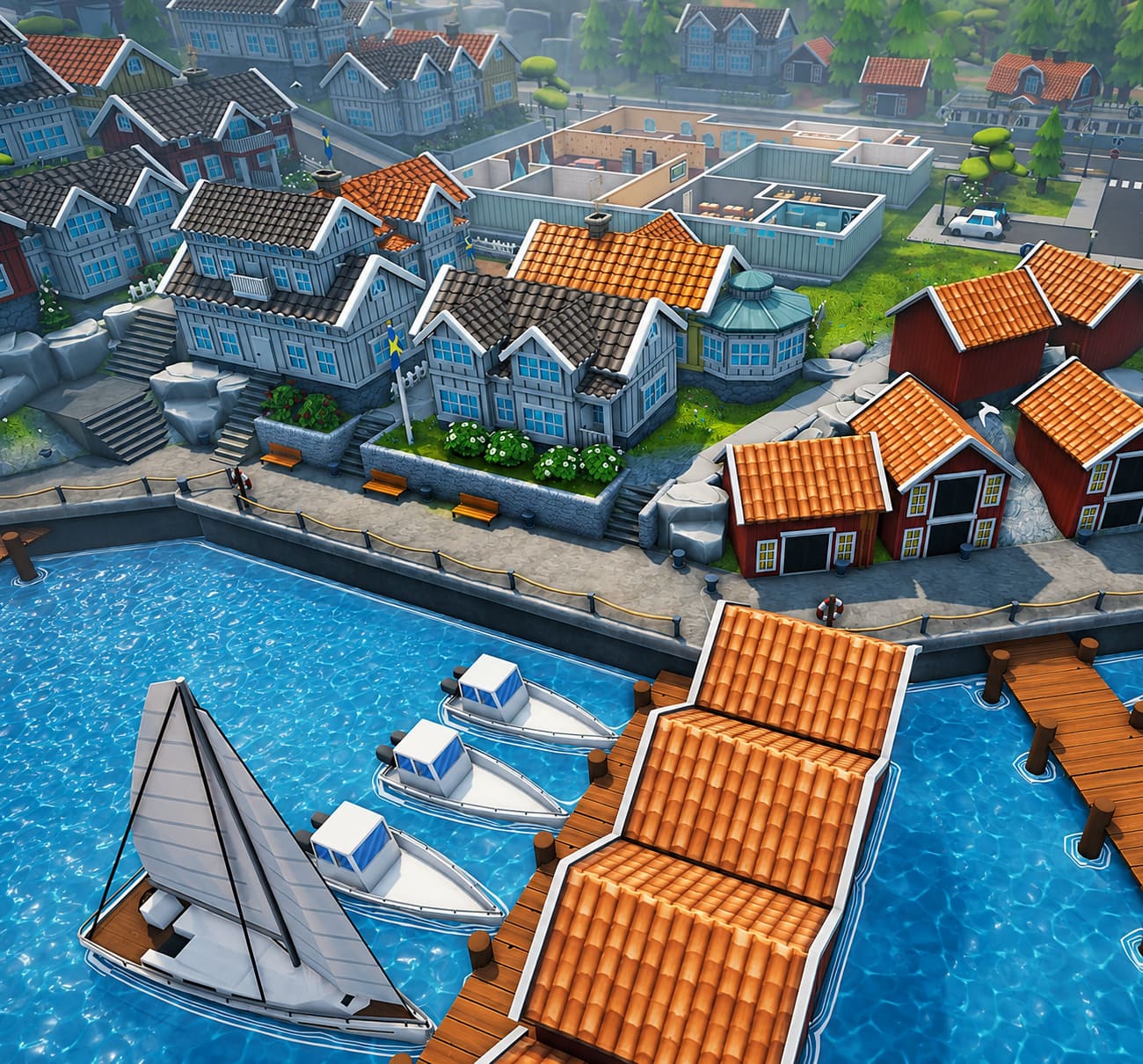
9. Every Map Wants a Different Strategy
A common beginner mistake is trying to use one hotel formula everywhere.
That doesn’t work.
Different locations attract different guest expectations.
| Location | Priority |
|---|---|
| Gothenburg | Gym facilities |
| Santorini | Air conditioning |
| Paris | Luxury presentation |
| Las Vegas | Entertainment spaces |
Read scenario goals carefully before building anything.
The game tells you what guests want—you just need to listen.
10. Don’t Chase Luxury Guests Too Early
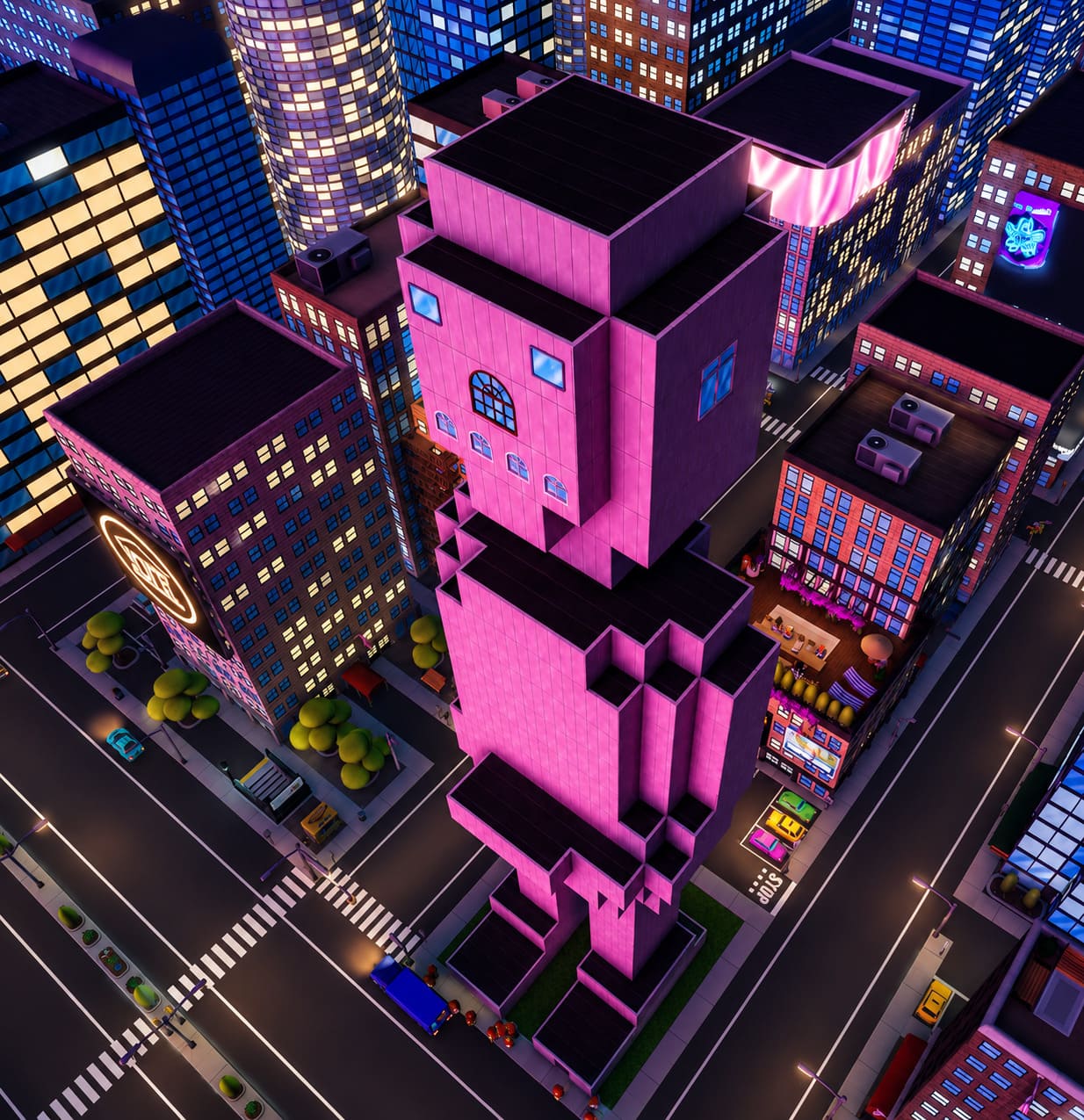
The Brat guest category is incredibly profitable.
They’re also extremely demanding.
To attract them, you’ll need:
- At least four-star rating
- Functional bar
- Premium room upgrades
- Luxury entertainment
Trying to build for them too early is usually a budget trap.
My advice: Stabilize your standard hotel first. Then create a dedicated luxury wing later.
That approach is much safer financially.
11. Elevators Become Essential Faster Than You Expect
At first, stairs feel sufficient.
They’re not.
Once your hotel expands vertically, stair-only movement starts hurting everything:
- Slower housekeeping
- Delayed maintenance
- Exhausted guests
- Traffic congestion
Centralized elevator placement solves this.
Think of elevators as your hotel’s transportation backbone.
Design for future expansion—not just current needs.
12. Hidden Logistics Decide Long-Term Success
The glamorous parts of your hotel are not what keep it running.
Behind-the-scenes systems do.
That includes:
- Ingredient deliveries
- Trash disposal
- Supply storage
- Contractor access
If your kitchen runs out of ingredients, meal quality drops instantly.
If trash piles up, guest satisfaction tanks.
Create hidden service corridors and dedicated logistics zones.
Beautiful hotels still need ugly infrastructure.
13. Maintenance Teams Deserve More Respect
Broken plumbing.
Dirty hallways.
Overflowing bins.
These issues can quietly destroy your reputation faster than almost anything else.
Luxury furniture cannot compensate for neglect.
Always maintain enough:
- Janitors
- Repair staff
- Service workers
My personal rule: Hire maintenance before you think you need it.
You’ll rarely regret overstaffing this department.
14. Learn Campaign Before Going Full Sandbox
I understand the temptation.
Sandbox mode sounds amazing.
Unlimited freedom. Unlimited creativity.
But campaign mode teaches essential systems naturally:
- Room spacing
- Guest demographics
- Budget control
- Service balancing
- Expansion timing
It functions like an extended masterclass.
I’d strongly recommend completing several campaign maps before attempting a massive dream hotel.
You’ll build smarter.
15. Accept That Chaos Is Part of the Fun
This might be the most important tip.
Your first hotel will be messy.
Guests will complain.
Staff will quit.
Inspectors will embarrass you.
Something will always go wrong.
That’s normal.
The fun of Hotel Architect comes from solving those problems and slowly transforming disaster into efficiency.
That feeling—watching a struggling little property evolve into a thriving luxury machine—is incredibly satisfying.
Final Thoughts
Hotel Architect rewards patience, observation, and smart planning far more than flashy design.
If I could summarize beginner success in one sentence, it would be this: Build for efficiency first, luxury second.
Protect your money with blueprint cancellation, optimize movement paths, invest in staff morale, and always think one step ahead.
Do that, and your tiny, chaotic startup hotel can eventually become the kind of five-star empire guests rave about—and inspectors struggle to criticize.
And trust me… once everything finally clicks, it’s hard to stop playing.