Blood of Dawnwalker Endings & Meta Guide: Best Post-DLC Builds and Every Fate Explained
If there’s one thing I genuinely love in modern RPGs, it’s when a game stops pretending your choices are cosmetic.
Blood of Dawnwalker looks like one of those rare projects where decisions actually reshape your entire experience—not just the dialogue, but the pacing, alliances, and even what “ending” means in the first place.
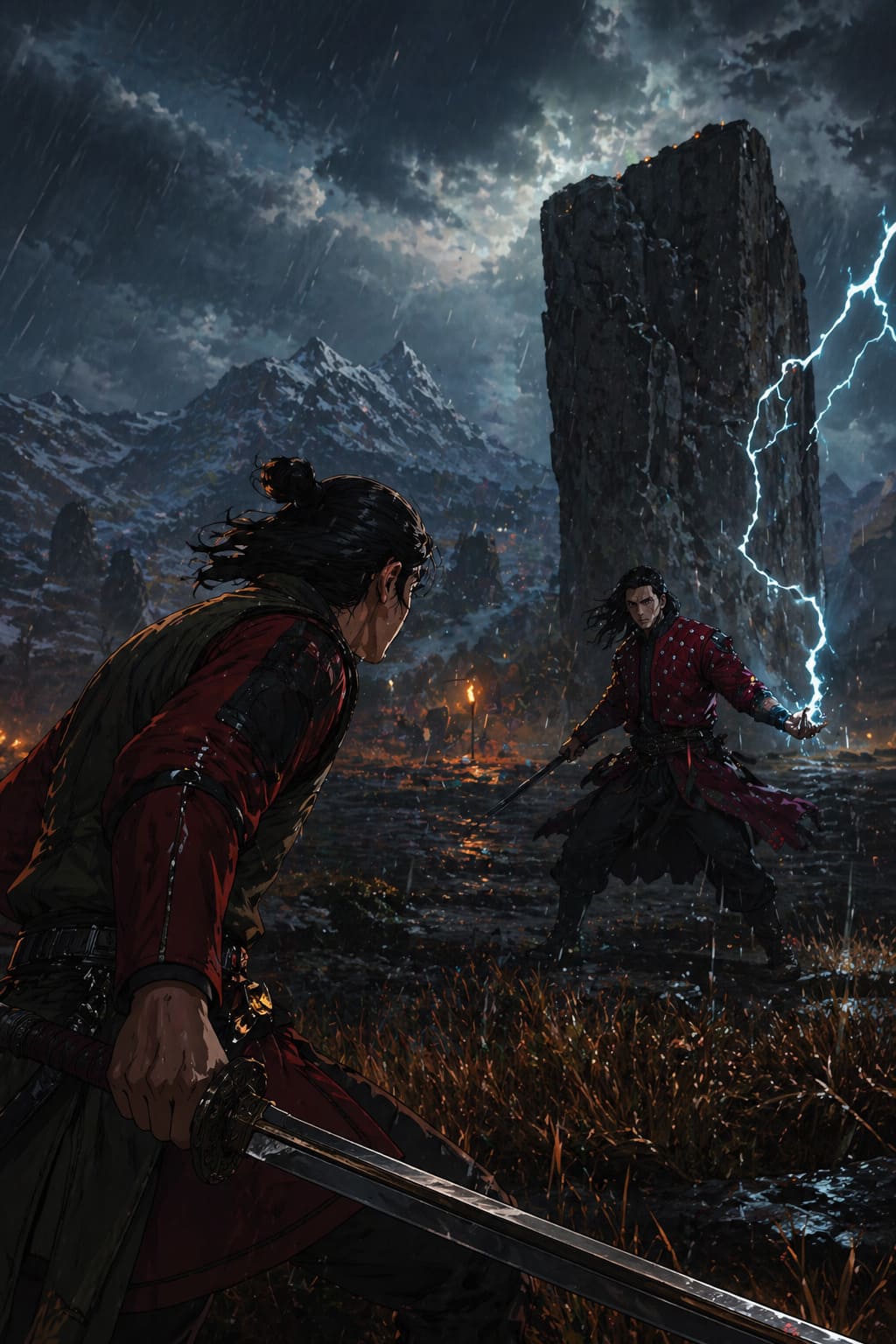
You play as Coen, a character stuck between two identities: human by day, vampire by night.
That alone would be enough for a solid story, but Rebel Wolves adds a twist that completely changes how you approach the game: you have 30 in-game days to save your family from the vampire lord Brencis.
And no, this isn’t just a timer ticking in the background. It’s the backbone of everything.
Windrose Resource Guide: Where to Farm Hardwood and Teak in 2026
The 30-Day Structure: More Pressure, Less Padding
What makes Blood of Dawnwalker stand out is how it handles time. You don’t just “wait” for days to pass while grinding side quests like in traditional RPGs. Time only moves when you make meaningful decisions.
That includes completing major story missions, choosing key dialogue options, and resting or switching between human and vampire states.
What I find especially interesting is that exploration itself doesn’t consume time. That means you’re constantly balancing curiosity with efficiency—you can explore freely, but story progression always comes with weight.
There’s also an important twist: the game doesn’t immediately end after the 30-day limit. Instead, it shifts into a darker, more unstable version of the world. You can still play, but certain “ideal” outcomes become locked.
That’s a bold design choice. It basically tells you: you can fail, and the world will keep moving without you.
Ending Overview: Every Path Feels Like a Different Game
Rather than a simple “good or bad” ending split, Blood of Dawnwalker builds multiple layered conclusions based on morality, alliances, and your relationship with your vampire side.
Below is a breakdown of the major known endings.
1. The True Ending – “Savior of Vale Sangora”
This is the ending most players will aim for… and also the hardest to achieve. It represents Coen fully resisting the darker impulses of his curse while still using both sides of his identity strategically.
How to reach it:
– Defeat Brencis within the 30-day limit
– Maintain a strong “humanity” alignment
– Prioritize diplomacy and non-lethal solutions during daytime
– Build alliances with at least two major rebel factions
– Avoid killing important NPCs tied to the local community
What makes this ending compelling is that it doesn’t reward aggression. It rewards restraint, planning, and emotional consistency.
From a gameplay perspective, this feels like the “classic hero route,” but it’s not passive. You’re constantly making small sacrifices to avoid long-term corruption.
Honestly, it’s the kind of ending that makes you think more about your earlier choices than the final battle itself.
2. Vampire Overlord Ending – “Usurper of the Night”
This is the opposite philosophy entirely. Instead of resisting your nature, you lean into it completely. The vampire side of Coen becomes dominant, and power becomes the only currency that matters.
Key requirements:
– Complete most objectives at night
– Frequently feed on humans (not animals)
– Embrace vampire abilities like stealth and traversal powers
– Betray rebel alliances during the final assault
– Defeat Brencis alone, without external help
This ending is fascinating because it reframes victory. You’re not saving the world—you’re replacing its ruler.
It’s the kind of ending that feels “wrong” emotionally but incredibly satisfying mechanically. You become the very thing you were trying to destroy.
3. The Tragedy Ending – “A Soul for a Soul”
This is where things get bleak. And honestly, it’s probably the most emotionally grounded outcome in the game. Here, you may succeed in defeating Brencis—but lose everything that mattered along the way.
How it happens:
– Exceed the 30-day limit before completing your mission
– Make irreversible violent decisions against key characters
– Fail critical moral choices tied to figures like Xanthe
– Accumulate low humanity through excessive feeding on humans
The result is simple but devastating: even if the vampire threat ends, Coen is no longer the person who can return to normal life.
This ending doesn’t feel like a failure state—it feels like exhaustion. Like you won, but at a cost that can’t be repaired.
4. The Hollow Ending – “Premature Completion”
This is the ending for players who think, “What if I just rush the final boss immediately?” And the game actually lets you try.
Requirements:
– Rush Brencis without recruiting allies
– Ignore gear progression and optional quests
– Attempt a direct confrontation early
Unless you are extremely skilled (or intentionally speedrunning), this usually ends in defeat or enslavement.
But if you somehow succeed? The world doesn’t celebrate you. It collapses into chaos. You win the fight, but lose the context that makes victory meaningful.
It’s almost a commentary on RPG design itself: power without preparation doesn’t equal resolution.
Key Systems That Shape Your Ending
Here’s a simplified breakdown of what actually influences your outcome:
| System | Impact on Story |
|---|---|
| Day vs Night actions | Determines whether you lean toward diplomacy or domination |
| Feeding behavior | Humans reduce humanity; animals stabilize it |
| Dialogue timing choices | Push main story toward or away from the 30-day deadline |
| Enemy mercy decisions | Unlocks or blocks alliance paths |
| Ally management | Directly impacts final assault success |
What I like here is that none of these systems feel isolated. Everything overlaps. Even “small” actions like feeding decisions can echo into the final act.
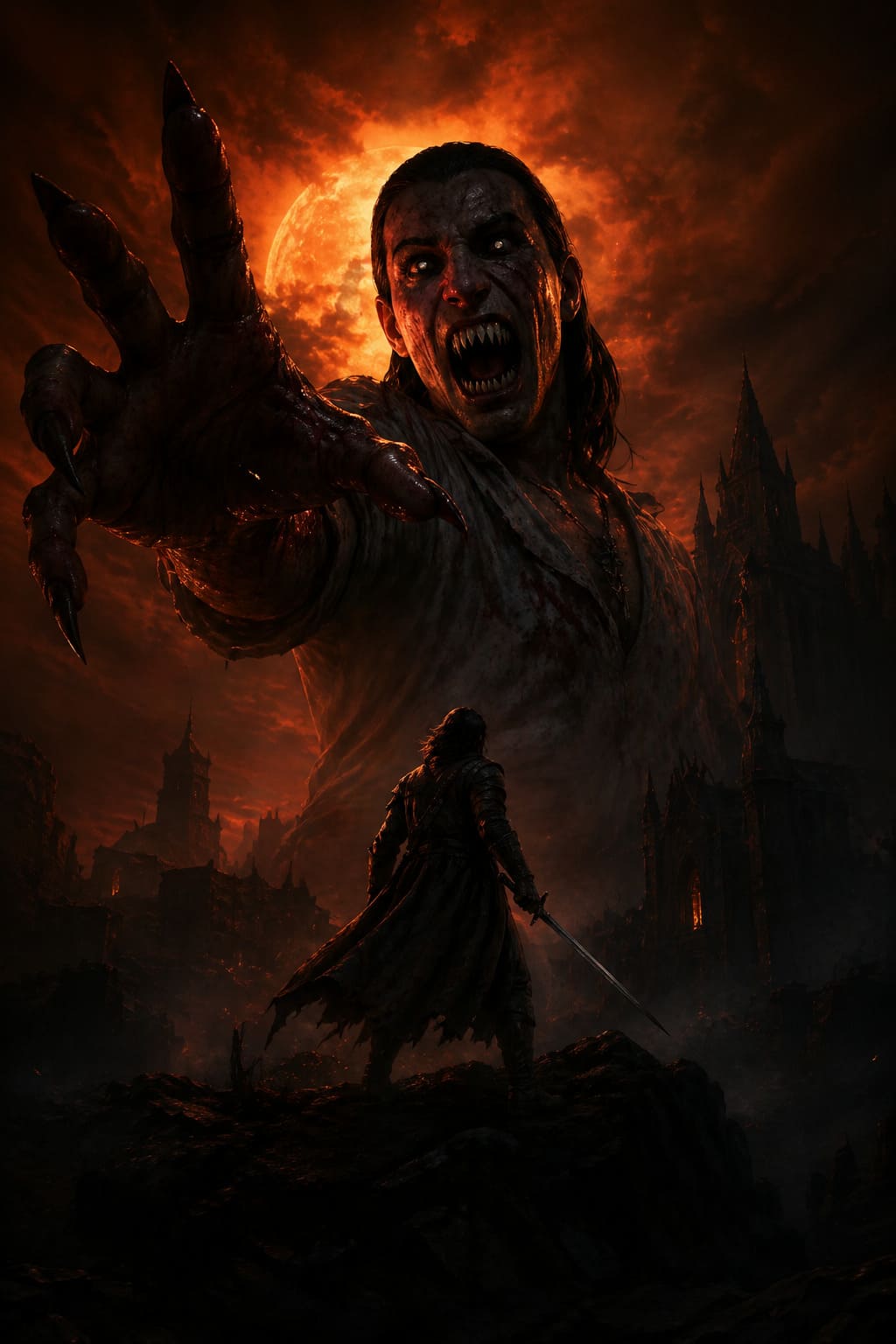
Personal Take: Why This Structure Works
As someone who enjoys RPGs that respect player agency, I think Blood of Dawnwalker is trying something ambitious—not just with its vampire theme, but with how it treats time as pressure rather than decoration.
Most games let you explore forever and then gently funnel you into a finale. Here, exploration itself is framed as a decision with consequences. That alone changes how you approach the world.
It also encourages replayability in a very natural way. You’re not just chasing different endings—you’re essentially playing different versions of Coen:
– A restrained diplomat
– A ruthless predator
– A broken survivor
– Or someone who rushes fate itself
And each version feels valid within the system.
Blood of Dawnwalker 2026 Meta Guide: Best Vampire Night Form Builds After “Shadows of the Old Blood” DLC
I’ve been sinking way too many hours into Blood of Dawnwalker since the “Shadows of the Old Blood” expansion dropped, and honestly, it feels like the whole game got flipped upside down in a good way.
What used to be a fairly balanced vampire RPG is now a full-on endgame optimization playground where Night Form isn’t just a mechanic—it’s the entire identity of high-tier play.
If you’re stepping into the Frozen Marches or trying to survive the new “Eternal Night” raid zones, you already know: casual builds don’t cut it anymore. You either min-max your vampire properly or you get deleted by bosses that feel like they were designed to punish hesitation.
Below is my breakdown of the three strongest builds I’ve personally tested (and seen dominate co-op and solo content), rewritten in a more practical, player-to-player way rather than pure theorycraft hype.
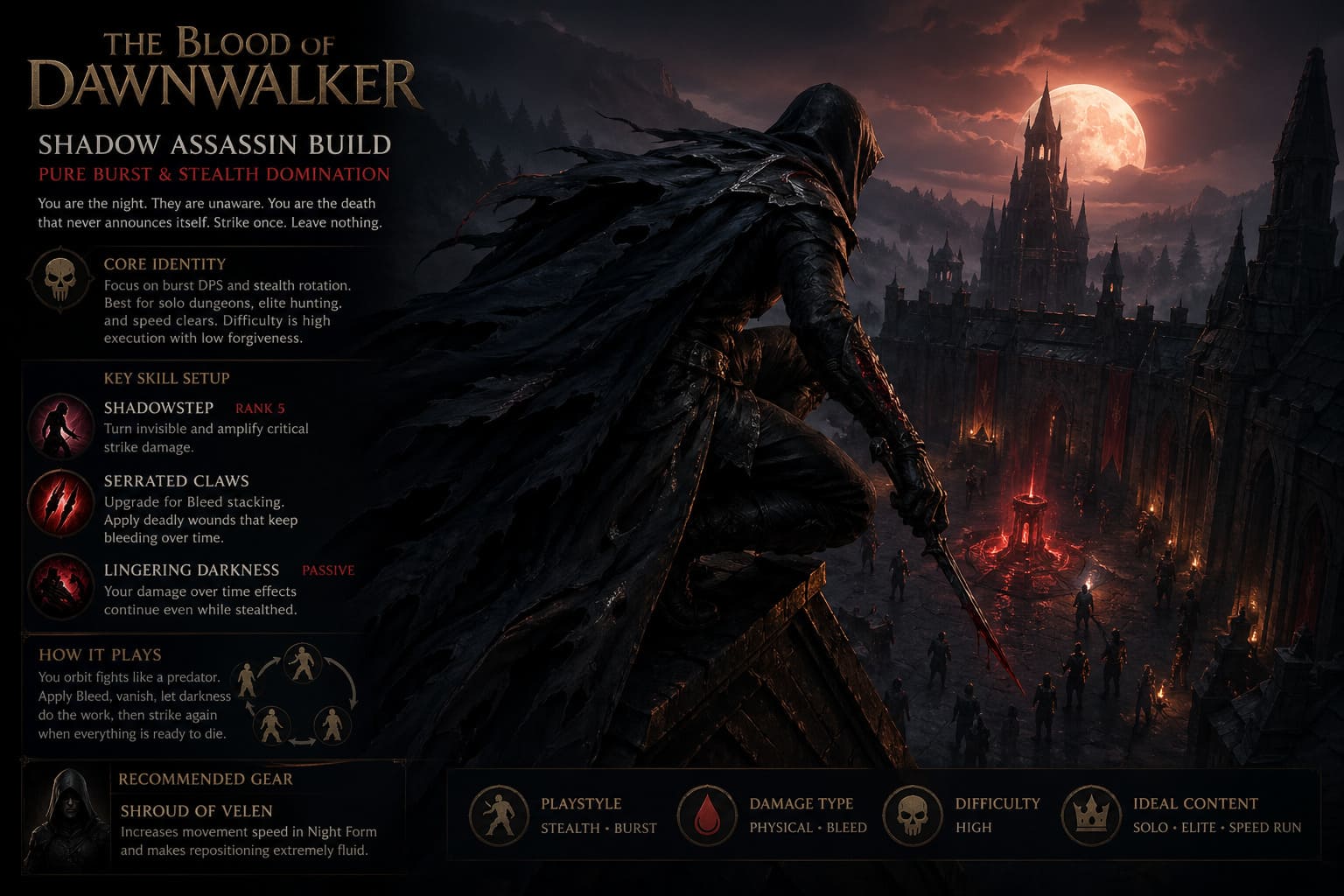
1. Shadow Assassin Build – Pure Burst & Stealth Domination
This is the build that feels the most “classic vampire fantasy” to me. You’re fast, invisible, and unfair in the best way possible. If you like deleting bosses before they even understand what happened, this is your path.
The core idea is simple: stay unseen, stack damage over time, and deliver a single massive burst that ends fights early.
Core Identity: Focus on burst DPS and stealth rotation. Best for solo dungeons, elite hunting, and speed clears. Difficulty is high execution with low forgiveness.
Key Skill Setup: Shadowstep (Rank 5) is your bread and butter, giving invisibility and crit amplification. Serrated Claws upgrade for Bleed stacking, and Lingering Darkness passive allows DoT damage to continue even while stealthed.
How it actually plays is more like orbiting fights than directly engaging them. You enter combat, apply Bleed stacks, vanish, and let damage tick while repositioning. Then you re-enter only when everything is ready for the finishing strike.
Recommended Gear: Shroud of Velen, which increases movement speed in Night Form and makes repositioning extremely fluid.
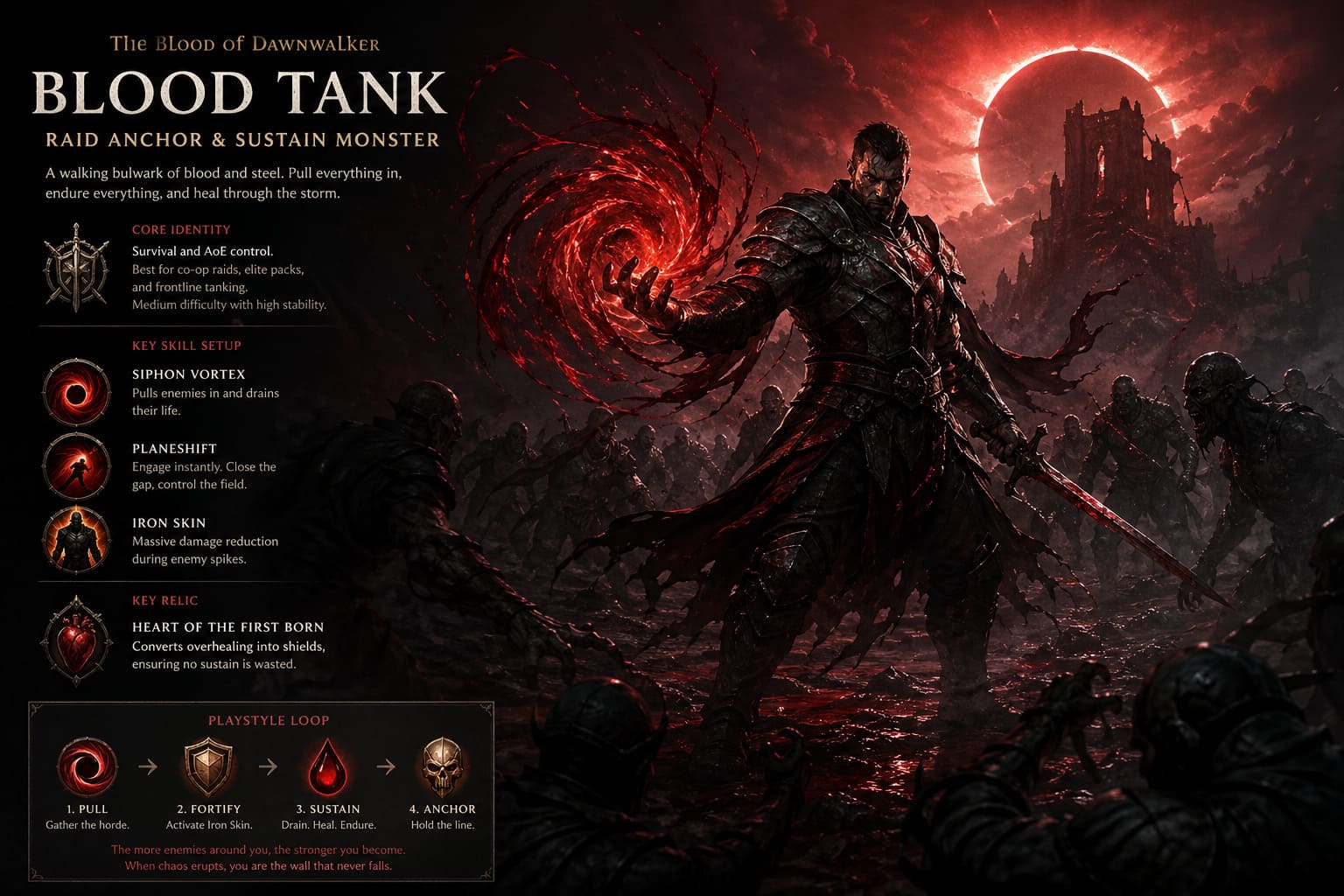
2. Blood Tank Build – Raid Anchor & Sustain Monster
If Shadow Assassin is about finesse, Blood Tank is about refusing to die. This is the build most raid groups rely on in Frozen Marches content where enemy density becomes overwhelming.
It turns you into a walking sustain engine that pulls everything in and stabilizes chaotic encounters.
Core Identity: Survival and AoE control. Best for co-op raids, elite packs, and frontline tanking. Medium difficulty with high stability.
Key Skill Setup: Siphon Vortex pulls enemies in while draining their health. Planeshift helps you engage instantly, and Iron Skin provides massive damage reduction during spikes.
The gameplay loop is straightforward but powerful: dive into enemy packs, trigger Siphon Vortex, activate Iron Skin, and sustain through lifesteal cycles. The more enemies around you, the stronger you become.
Key Relic: Heart of the First Born converts overhealing into shields, ensuring no sustain is wasted.
This build shines when coordination breaks down and survival becomes the primary objective.
3. Day-Walker Hybrid Build – The Most Flexible Exploration Setup
This is the build I ended up using most outside of hardcore raid content. It doesn’t hit the raw damage peaks of Shadow Assassin or the absurd durability of Blood Tank, but it makes up for it with adaptability.
The DLC introduces environmental pressure with “Cursed Sun” zones, and this build smooths over those weaknesses better than anything else.
Core Identity: Flexibility and exploration. Best for open-world DLC content and mixed encounters. Low to medium difficulty.
Key Skill Setup: Solar Resistance passive reduces sunlight penalties, Mist Form improves mobility, and Twilight Amulet synergy defines the build’s core function.
This build reduces the penalties of staying in Night Form during daytime cycles, which fundamentally changes exploration flow. Instead of constantly checking time mechanics, you just play naturally.
The gameplay loop focuses on extended exploration with situational adaptation rather than strict combat rotations.
Comparison: Which Build Actually Wins?
Here’s a simplified breakdown based on current DLC performance and practical usability in 2026 endgame content.
| Build Name | Strength Focus | Difficulty | DLC Viability |
|---|---|---|---|
| Shadow Assassin | Single Target Burst | High | S-Tier |
| Blood Tank | Survival & Raids | Medium | A-Tier |
| Day-Walker Hybrid | Exploration & Utility | Low | B-Tier |
If you’re pushing leaderboard clears or solo boss kills, Shadow Assassin is still the strongest option. If you’re focused on co-op progression, Blood Tank becomes almost mandatory in many compositions. And if you just want to experience the DLC world without constantly optimizing every second, Day-Walker is the most comfortable choice.
Final Thoughts
What stands out most in the current Blood of Dawnwalker meta is how much the DLC encourages specialization. The game didn’t just increase difficulty—it forced identity choices.
You’re not just playing a vampire with abilities anymore. You’re either a predator built for instant kills, a fortress built for survival, or a hybrid explorer adapting to environmental rules.
Personally, switching between Shadow Assassin and Day-Walker has been the most fun. One feels like speedrunning a nightmare, the other feels like actually living inside a dark fantasy world without constant pressure.
And that balance is what makes the 2026 expansion worth diving into.