Don’t Starve Elsewhere New Biomes Guide: Exploring the Reinvented Survival World
If you’ve spent any time with Don’t Starve Together, you probably know how quickly things can go wrong—even when you think you’re prepared.
That’s exactly why Don’t Starve Elsewhere feels so exciting. It doesn’t just add content—it reshapes how you think about survival entirely.

As someone who genuinely enjoys survival games, from slow base-building to chaotic last-second escapes, I can say this: Elsewhere feels like a bold step forward. The world isn’t just wider; it’s deeper, taller, wetter, and far more unpredictable.
Let’s break down what makes these new biomes so interesting—and honestly, a little dangerous.
How to Get Mask of Horus in Soulmask | Shifting Sands DLC Guide, Location & Abilities (2026 Update)
The Rise of Vertical Survival: Mountain Peaks
The first thing that stands out is the verticality. In earlier versions of the game, terrain was mostly flat, and danger came from enemies or seasonal changes. Now, the environment itself becomes your biggest threat.
Climbing into the Mountain Peaks feels like stepping into an entirely different survival experience where preparation matters more than ever.
What makes them dangerous:
- Rapid temperature drops as you gain altitude
- Constant freezing risk even outside winter
- Very few safe zones to recover warmth
Despite all this, the rewards are hard to ignore.
Why it’s worth the risk:
- Access to rare minerals and crafting materials
- Essential resources for late-game progression
This biome forces you to think ahead. You can’t just wander upward out of curiosity—you need a clear plan, proper gear, and a safe way back.
Quick tip: Always carry a thermal stone and at least one backup heat source before attempting a climb.
Redwood Forest: Beautiful, But Brutal
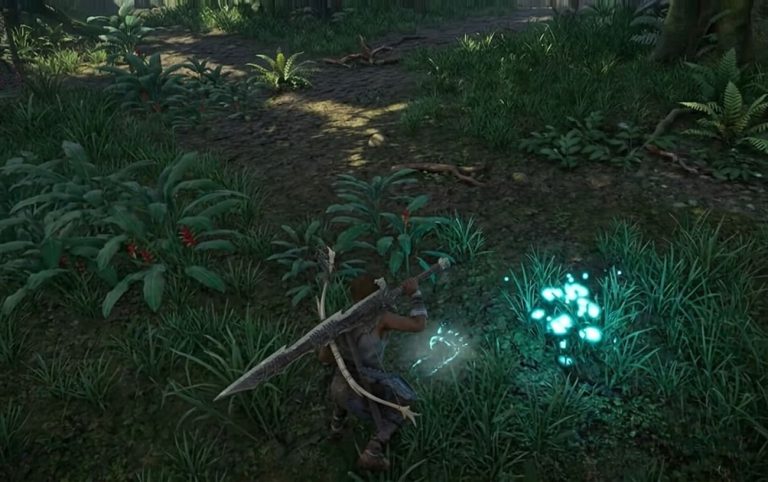
At first glance, the Redwood Forest looks calm and resource-rich, filled with massive trees and dense vegetation. However, after spending some time there, it quickly becomes clear that this is one of the most mentally exhausting regions in the game.
The reason is simple: constant rain.
Core challenges:
- Permanent wetness leading to sanity loss
- Reduced tool efficiency and reliability
- Difficulty maintaining fire and warmth
Sanity loss in this environment can spiral quickly, turning a simple resource run into a fight for survival against shadow creatures.
Still, this biome feels incredibly alive. The atmosphere, the sound of rain, and limited visibility create a constant sense of tension.
What makes it worth visiting:
- Huge supply of wood resources
- Potential hidden threats and rewards within the canopy
Survival essentials:
- Umbrella or rain protection gear
- Dry fuel запас stored in inventory
Rivers and Waterways: Movement Reimagined
One of the most refreshing additions is the introduction of rapid rivers and navigable waterways. These aren’t just visual features—they fundamentally change how you move around the world.
Instead of traveling only on land, players can now use rivers as both obstacles and efficient travel routes.
Key features:
- Rivers act as natural barriers and shortcuts
- Water travel reduces travel time between distant areas
- New aquatic resources and creatures to discover
This system makes exploration feel more dynamic and less repetitive, which is a big improvement for long-term gameplay.
Things to keep in mind:
- Not all water routes are safe
- Proper equipment like rafts or nets is required
- Strong currents can destroy weak setups
It’s a high risk, high reward system that fits perfectly into the survival mechanics of the game.
The Fog: Where Things Get Unpredictable
The Fog is easily one of the most mysterious additions in Don’t Starve Elsewhere. It doesn’t behave like a traditional biome but instead acts as a shifting environmental hazard.
When the Fog appears, everything changes.
What happens in the Fog:
- Visibility becomes extremely limited
- Sanity drains faster than usual
- Shadow creatures appear more frequently
Despite these dangers, players believe that the Fog hides some of the most valuable rewards in the game.
This creates a constant dilemma: avoid it for safety or explore it for potential high-tier loot.
That tension is what makes the mechanic so engaging and memorable.
Multi-Layered Exploration: More Than Just a Map
Don’t Starve Elsewhere introduces a layered world structure, adding depth to exploration and strategy. Instead of a single flat map, players navigate through multiple environmental levels.
| Layer | Description | Risk Level | Rewards |
|---|---|---|---|
| Mountain Peaks | Freezing high-altitude regions | High | Rare minerals |
| Surface Valleys | Balanced survival zones | Medium | Basic resources |
| Cave Systems | Deep underground areas | Very High | Unique materials |
This system adds meaningful decision-making to exploration. You’re not just choosing where to go—you’re deciding how much risk you’re willing to take.

My Personal Survival Strategy
After analyzing these new mechanics, a flexible approach works best.
1. Start safe, expand gradually:
- Build your base in a valley
- Explore nearby areas before moving further
2. Prepare before entering extreme biomes:
- Craft gear specific to each environment
- Never rush into peaks or Fog unprepared
3. Adapt to each biome:
- Redwood Forest requires moisture control
- Mountain Peaks demand heat management
- Fog zones require strong sanity control
This kind of adaptability is essential, as the game punishes players who rely on a single strategy.
A Bold Evolution
Don’t Starve Elsewhere feels like a natural evolution of the series while still managing to surprise experienced players.
It challenges you to think ahead, take calculated risks, and constantly adapt to changing conditions.
For fans of survival games, this expansion offers a fresh and engaging experience that pushes the limits of what the genre can offer.
If you enjoy learning through failure and mastering complex systems, this version of the Constant might become your favorite yet.
Into the Unknown: Why Don’t Starve Elsewhere Feels Like a Bold Reinvention of Survival
If you’ve spent any real time with survival games, you know how rare it is to feel genuinely unprepared again.
That first uneasy step into the unknown — when you don’t quite understand the rules yet — is something most games lose after a few hours. But from what we’ve seen so far, Don’t Starve Elsewhere seems ready to bring that feeling back in a big way.
And honestly? That’s exactly why I’m excited.
This isn’t just another expansion or slight twist on a familiar formula. It feels like a full-on evolution — something that keeps the DNA of the original experience but pushes it into unfamiliar, slightly unsettling territory. The kind of change that makes even veteran players pause and rethink how they approach survival.
A Forest That Watches Back
The first biome that immediately caught my attention was the Redwood Forest. At first glance, it looks almost peaceful — towering trees, constant rainfall, and that quiet, moody atmosphere survival fans love.
But the longer you think about it, the more it feels… off.
This isn’t just a pretty environment. It’s designed to mess with you.
- Plants that look harmless — until they’re not
- Shifting fog that changes what you think you see
- Limited visibility that keeps you second-guessing every step
There’s something deeply psychological about this design. Instead of throwing enemies at you nonstop, the game plays with your expectations. And personally, I love that. Survival isn’t just about fighting — it’s about doubt, hesitation, and risk.
You’re not just exploring a forest. You’re trying to figure out what’s real.
Verticality Changes Everything
One of the biggest shifts — and probably the most important — is the move toward vertical exploration and 3D movement.
If you’ve played earlier entries, you already know how much the flat world defined the gameplay. You could plan routes, optimize paths, and eventually “solve” the map.
That comfort zone is gone.
Now you’re dealing with:
- Climbing and descending terrain
- Layered environments with multiple levels
- Movement that feels more physical and less predictable
And that changes everything.
| Feature | Previous Games | Elsewhere |
|---|---|---|
| World Design | Flat, grid-like | Multi-layered, vertical |
| Movement | Horizontal focus | Climbing, jumping, swimming |
| Exploration Feel | Strategic, predictable | Dynamic, reactive |
From a gameplay perspective, this means you can’t just memorize patterns anymore. You’ll have to adapt constantly, and that’s where the real tension comes from.
Biomes That Feel Like Separate Games
What really stands out is how distinct each new area feels. It’s not just visual variety — it’s mechanical variety too.
1. Redwood Forests
We already touched on this, but it’s worth repeating: this biome is about deception and atmosphere. Expect slow, cautious exploration and moments where you regret trusting what you saw.
2. Chilly Peaks
Snowy mountains aren’t new in games — but here, they’re built to take advantage of vertical design.
- Steep climbs
- Harsh weather conditions
- Navigation that feels genuinely risky
This is where movement mechanics really shine. It’s less about fighting and more about surviving the environment itself.
3. Tumultuous Waters
This is a big one. Swimming and water traversal add a completely new layer of vulnerability.
- You’re exposed
- Movement is restricted
- The environment itself becomes a threat
Crossing water isn’t just a path anymore — it’s a decision.
4. Deep Cave Systems
Caves have always been part of the experience, but now they feel more like labyrinths than zones.
- Vertical drops
- Twisting paths
- Claustrophobic exploration
If you enjoy that slightly anxious feeling of going too deep and not knowing how to get back, this will probably be your favorite area.
The Fog: A Mechanic That Feels Personal
If there’s one feature that ties everything together, it’s The Fog.
This isn’t just a visual effect or a background hazard. It’s a system that actively interferes with how you perceive the world.
And that’s what makes it interesting.
Instead of just lowering your health or stamina, it attacks something more subtle: your confidence.
You might see:
- Objects that aren’t really there
- Safe-looking areas that turn dangerous
- Familiar elements behaving differently
It reminds me of the best kinds of survival design — the ones that don’t just challenge your character, but challenge you as a player.
Why This Direction Works
As someone who’s played a lot of survival games, I think this direction makes a lot of sense.
The genre has been stuck in a loop for a while:
- Gather resources
- Build shelter
- Survive waves of threats
And while that formula still works, it rarely surprises anymore.
What Don’t Starve Elsewhere seems to be doing is shifting the focus toward:
- Uncertainty over optimization
- Exploration over routine
- Psychological tension over pure difficulty
That’s a smart move.
Because at the end of the day, the most memorable survival moments aren’t when everything goes according to plan — they’re when things go wrong, and you have to improvise.
My Take: Where I’d Go First
If I had to choose where to start, I’d go straight into the Redwood Forest.
Not because it’s the safest option — probably the opposite — but because it feels like the most representative of what this game is trying to do.
It’s unpredictable, slightly unsettling, and full of hidden dangers.
That’s exactly the kind of experience I look for in a survival game.
The mountains can wait. The caves can wait. I want to see how far I can get before the forest convinces me I’ve made a terrible mistake.
Final Thoughts
There’s still a lot we don’t know, but one thing is clear: Don’t Starve Elsewhere isn’t playing it safe.
It’s taking risks — with structure, mechanics, and player expectations. And whether everything works perfectly or not, that alone makes it worth paying attention to.
Because the best survival games aren’t just about staying alive.
They’re about feeling like you might not.